Computerbilities, Inc.

Blog

  • The Ultimate Guide to IT Support or Managed IT Services

    The Ultimate Guide to IT Support or Managed IT Services

    In today’s technology-driven world, businesses of all sizes rely heavily on their IT infrastructure to operate efficiently. Organizations often turn to IT support or managed IT services to ensure smooth operations and address technology challenges. This comprehensive guide will help you understand the differences between these approaches and make an informed decision for your business.

     IT Services: What Do They Entail?

    1. Helpdesk and Technical Support: Providing assistance to end-users and resolving technical issues, such as software and hardware problems, network connectivity issues, and system troubleshooting.
    2. Network Management: Manage and maintain an organization’s network infrastructure, including routers, switches, firewalls, and wireless access points, to ensure reliable and secure connectivity.
    3. Infrastructure Management: Managing and monitoring servers, data centers, and cloud-based resources to ensure optimal performance, scalability, and availability.
    4. Cybersecurity Services: Implementing security measures to protect an organization’s data and systems from cyber threats, including antivirus software, firewalls, intrusion detection systems, and security audits.
    5. Data Backup and Recovery: Implementing data backup solutions to prevent data loss and providing recovery services in case of data disasters or hardware failures.
    6. Cloud Services: Offering cloud-based solutions, such as cloud hosting, data storage, and software as a service (SaaS), to enhance flexibility, scalability, and cost-effectiveness.
    7. Software Development: Creating custom software applications and solutions tailored to an organization’s requirements.
    8. IT Consulting: Providing expert advice and recommendations on technology strategies, infrastructure improvements, and IT best practices.
    9. Managed IT Services: Outsourcing the management of an organization’s IT environment, including monitoring, maintenance, and support, to a third-party provider.
    10. IT Project Management: Overseeing the planning, execution, and completion of IT projects, such as system upgrades, software implementations, and network migrations.
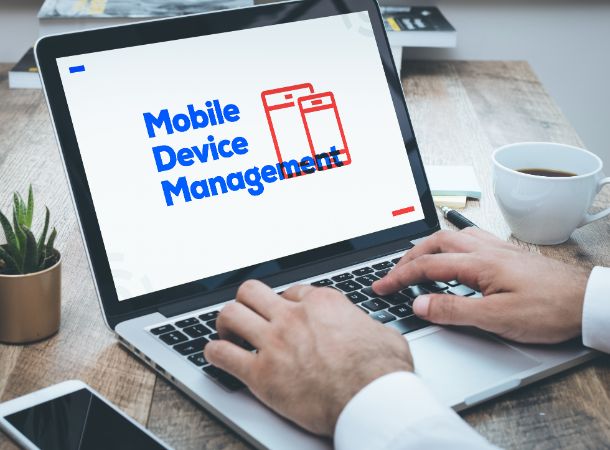
    11. Mobile Device Management (MDM): Managing and securing mobile devices within an organization’s network, such as smartphones and tablets.
    12. Virtualization Services: Implementing virtualization technologies to improve resource utilization, reduce hardware costs, and enhance flexibility.
    13. IT Training and Education: Providing training programs and workshops to help employees and IT professionals improve their skills and stay updated with the latest technology trends.
    14. Vendor Management: Managing relationships with technology vendors and suppliers, including procurement, contract negotiations, and performance evaluations.
    15. IT Strategy and Planning: Developing long-term IT strategies aligned with an organization’s business goals and objectives.

    Types of IT Services

    1. Managed IT Services: These services involve outsourcing IT management and support tasks to a third-party provider. This includes network management, server monitoring, and helpdesk support.
    2. Cloud Services: Cloud services provide access to computing resources, such as storage, servers, and software, over the Internet. This includes Infrastructure as a Service (IaaS), Platform as a Service (PaaS), and Software as a Service (SaaS).
    3. Cybersecurity Services: These services protect an organization’s data and systems from cyber threats, including antivirus and anti-malware software, firewall management, and security audits.
    4. Data Management Services: Data management services involve the storage, backup, and retrieval of data, as well as data analytics and reporting.
    5. IT Consulting Services: IT consulting services offer expert advice and guidance on technology strategy, project management, and implementation.
    6. Networking Services: Networking services include the design, installation, and maintenance of an organization’s network infrastructure, including routers, switches, and wireless access points.
    7. Hardware and Software Support: These services provide technical support for hardware and software issues, including troubleshooting, repairs, and upgrades.
    8. IT Outsourcing: IT outsourcing involves contracting out specific IT functions, such as data center management or application development, to a third-party provider.
    9. VoIP Services: Voice over Internet Protocol (VoIP) services enable organizations to make voice calls, including features such as call forwarding, voicemail, and conferencing.
    10. Disaster Recovery Services: Disaster recovery services help organizations prepare for and recover from unexpected events that could disrupt IT operations, such as natural disasters or cyberattacks.

    Managed IT Services: What Are They?

    Managed IT services are outsourced solutions where a third-party provider oversees a company’s IT infrastructure, including monitoring, maintenance, and support. This proactive approach ensures efficient technology operation, minimizes downtime, and allows businesses to focus on core activities.

    • How Do Managed IT Services Work?

    Managed IT services involve outsourcing IT tasks to a third-party provider. They monitor, maintain, and support a company’s IT infrastructure, including hardware, software, and networks. This proactive approach ensures system reliability, security, and efficiency, allowing businesses to focus on core operations while the provider handles IT management and troubleshooting.

    • Alternatives to Managed IT Services

    Alternative IT service models include in-house IT departments, freelance IT consultants, and project-based IT outsourcing. These options provide more direct control, specialized expertise, and flexibility but may require higher resource allocation, increased management effort, and potentially higher costs than managed IT services.

    • Benefits of Managed IT Services

    Managed IT services offer businesses several benefits, including cost savings, access to expert support, enhanced security, proactive monitoring, reduced downtime, scalability, and improved focus on core operations. These services streamline IT management, ensuring efficient and reliable technology infrastructure while allowing organizations to concentrate on their strategic goals.

    How to Choose an IT Service Provider

    Choosing an IT service provider is crucial for your business. Start by defining your specific needs and budget. Research potential providers, considering their expertise, reputation, and client reviews. Evaluate their service offerings, scalability, and technological capabilities. Ensure they align with your industry’s compliance requirements. Request detailed proposals and compare pricing structures. Assess their responsiveness and availability for support. Finally, seek recommendations from trusted peers. Ultimately, select a provider that meets your technical requirements, understands your business goals, and offers a flexible, cost-effective solution.

    Cloud IT Services: What Are They?

    Cloud IT services are computing resources and software delivered over the Internet, providing on-demand access to storage, processing power, and applications. These services include infrastructure as a Service (IaaS), offering virtualized hardware; Platform as a Service (PaaS), facilitating app development; and Software as a Service (SaaS), providing ready-to-use software. Cloud IT services offer scalability, cost-efficiency, and accessibility, allowing businesses to reduce infrastructure costs, scale resources as needed, and collaborate seamlessly. They enable remote data storage, backup, and application access, fostering flexibility and innovation while reducing the burden of managing physical infrastructure.

    • How Do Cloud IT Services Work?

    Cloud IT services use remote servers hosted in data centers to deliver computing resources and software over the Internet. Users access these services on-demand, paying only for what they use, without needing physical infrastructure. This enables scalability, flexibility, and cost-effectiveness for businesses and individuals.

    • Cloud IT Services vs. Managed IT Services?
    • Cloud IT services and managed IT services are two distinct approaches to handling an organization’s technology needs.
    • Cloud IT services involve utilizing cloud-based resources, such as servers, storage, and applications, delivered over the Internet. This approach offers scalability, flexibility, and cost-efficiency but requires organizations to manage and secure their cloud environment.
    • Managed IT services, on the other hand, involve outsourcing IT management to a third-party provider. This provider assumes responsibility for monitoring, maintaining, and securing a company’s IT infrastructure. It offers proactive support, reduces downtime, and ensures IT systems align with business goals.
    • Choosing between them depends on the organization’s specific needs, resources, and desired level of control over their IT environment.
    • Benefits of Cloud IT Services


    Cloud IT services offer numerous benefits for businesses and individuals alike. They provide scalability, allowing users to easily adjust their computing resources to match their needs, resulting in cost savings and efficient resource utilization. Accessibility is enhanced, as data and applications can be accessed from anywhere with an internet connection, fostering remote work and collaboration. Security and data backup are typically robust, ensuring data integrity and business continuity. Moreover, cloud services often come with automatic updates and maintenance, reducing the burden on IT staff. Cloud IT services streamline operations, improve flexibility, and enhance data management, making them indispensable in today’s digital world.

    Ransomware Protection: What Is It?

    Ransomware protection is a set of security measures and software designed to prevent, detect, and mitigate ransomware attacks. It aims to safeguard computer systems and data from being encrypted and held hostage by malicious software, typically by strengthening cybersecurity defenses and creating robust data backup strategies.

    • Benefits of Ransomware Protection

    Ransomware protection safeguards data and systems from cyberattacks, offering benefits like data security, business continuity, and cost savings. It prevents data encryption and extortion, reduces downtime, preserves reputation, and ensures regulatory compliance, making it essential for modern cybersecurity.

    • How Does Ransomware Get into IT Systems?

    Ransomware infiltrates IT systems through phishing emails, malicious attachments, or compromised websites. Once inside, it encrypts files and demands a ransom for decryption. Vulnerable software, weak passwords, and unpatched systems are common entry points. Social engineering and exploit kits also aid ransomware attacks, making cybersecurity vigilance crucial.

    • How to Protect Yourself from Ransomware Attacks

    To protect yourself from ransomware attacks:

    1. Regularly update your operating system and software.
    2. Use strong, unique passwords and a password manager.
    3. Employ reliable antivirus and anti-malware software.
    4. Be cautious of email attachments and links.
    5. Backup important data offline.
    6. Educate yourself and your colleagues about phishing and safe online practices.
    7. Consider cybersecurity training and consulting services.

    Hardware Virtualization: What Is It?

    Hardware virtualization is a technology that allows a single physical computer to run multiple virtual machines (VMs) with their operating systems, isolating them from each other. It enables efficient resource utilization, isolation, and flexibility in managing and running software applications on a single physical server or computer.

    • How Does Hardware Virtualization Work?

    Hardware virtualization allows a single physical computer to run multiple virtual machines (VMs) with isolated operating systems. It’s achieved through a hypervisor, which manages resources and mediates access to physical hardware. The hypervisor creates a virtualized environment, ensuring each VM operates independently while sharing the host’s hardware efficiently.

    • How to Implement Hardware Virtualization

    To implement hardware virtualization, ensure your CPU supports virtualization technology (e.g., Intel VT-x or AMD-V). Next, enable virtualization in your computer’s BIOS settings. Install a virtualization software like VMware or VirtualBox. Create virtual machines (VMs) and allocate resources like CPU, RAM, and storage to run multiple operating systems simultaneously.

    • Application vs. Storage vs. Hardware Virtualizations

    Application virtualization isolates applications from the underlying operating system, enhancing compatibility and security. Storage virtualization abstracts physical storage resources, simplifying management and improving utilization. Hardware virtualization enables multiple virtual machines to run on a single physical server, optimizing resource utilization and facilitating server consolidation.

    • Benefits of Hardware Virtualization

    Hardware virtualization provides numerous benefits, including efficient resource utilization, isolation of virtual environments for enhanced security, simplified management through snapshots and cloning, seamless migration of virtual machines, and scalability. It optimizes hardware usage, streamlines IT operations, and boosts flexibility in deploying and managing various workloads.

    Email Solutions: What Are They?

    Email solutions refer to software and services that manage electronic mail communication. They include email clients (e.g., Outlook), webmail services (e.g., Gmail), and email marketing platforms (e.g., Mailchimp). These tools enable users to send, receive, organize, and automate emails for personal or business purposes.

    • How Do Email Solutions Work?

    Email solutions utilize email servers to send, receive, and store electronic messages. When you send an email, it’s composed of your email client sent to your email provider’s server, which then routes it to the recipient’s server. The recipient retrieves it from their server using their email client. Servers use protocols like SMTP and IMAP or POP3 to facilitate this communication.

    • Features of Email Solutions

    Email solutions typically offer features such as email composition, sending and receiving messages, attachments, folders for organization, spam filters, search capabilities, and contact management. Many also support calendars, task management, and integration with other apps. Security features like encryption and two-factor authentication are standard for safeguarding communication.

    • Choosing the Right Email Solution

    Selecting the ideal email solution involves considering scalability, security, ease of use, and cost. Evaluate options like Microsoft 365, Google Workspace, or self-hosted platforms to match your organization’s needs. Prioritize features like collaboration tools, spam protection, and mobile compatibility for efficient communication.

    • Benefits of Email Solutions
      Email solutions offer efficient communication, document sharing, and collaboration tools, enhancing productivity. They enable quick, asynchronous communication, easy access to messages from any device, and robust spam filters for security. Additionally, they facilitate organization through folders and labels, aiding in information management.

    Network Security: What Is It?

    Network security safeguards computer networks from unauthorized access, data breaches, and cyber threats. It involves implementing firewalls, encryption, and intrusion detection systems to protect data and ensure confidentiality, integrity, and availability of network resources.

    • How Does Network Security Work?

    Network security encompasses various measures and technologies to protect computer networks from unauthorized access, data breaches, and cyberattacks. It works by implementing firewalls, encryption, access controls, and intrusion detection systems to monitor and safeguard network traffic. It also regularly updates software and educates users to mitigate risks and maintain a secure network environment.

    • Benefits of Network Security

    Network security safeguards computer networks from unauthorized access or attacks. It protects sensitive data, ensures business continuity, and maintains user trust. Network security enhances overall productivity and competitiveness while complying with legal and regulatory requirements by preventing data breaches, downtime, and financial losses.

    Backup and Disaster Recovery: What Is It?

    Backup and Disaster Recovery (BDR) is a strategy to protect digital data and ensure business continuity. It involves creating duplicate copies of critical data and systems to prevent data loss and downtime in case of unexpected events like hardware failures, natural disasters, or cyberattacks.

    • How Does Backup and Disaster Recovery Work?

    Backup and disaster recovery involve creating copies of critical data and systems to safeguard against data loss or system failures. Regular backups ensure data preservation, while disaster recovery plans detail procedures for restoring operations in case of emergencies. Combining these processes helps organizations minimize downtime and data loss during unforeseen events.

    • Benefits of Backup and Disaster Recovery

    Backup and Disaster Recovery (BDR) ensures data integrity and business continuity by creating secure copies of critical information. Benefits include minimizing downtime, safeguarding against data loss, complying with regulations, and sustaining customer trust. BDR strategies are essential for swift recovery from unforeseen events, safeguarding business operations and reputation.

    Custom IT Services: What Are They?

    • What Kind of Custom IT Services Can Be Provided?

    Custom IT services include software development, cybersecurity solutions, network infrastructure design, cloud computing setup, and database management. Tailored to specific client needs, these services may consist of app development, IT consulting, system integration, and support for businesses seeking personalized tech solutions.

    • Benefits of Custom IT Services

    Custom IT services offer tailored solutions to meet specific business needs, enhancing efficiency, security, and scalability. They optimize technology infrastructure, reduce downtime, and provide proactive support. This personalized approach fosters innovation, cost-effectiveness, and a competitive edge in the ever-evolving digital landscape.

    • How Expensive Are IT Services?

    The cost of IT services varies widely depending on the specific service, complexity, and provider. Essential IT support can start at $75 per hour, while comprehensive managed IT services can range from $1,000 to $5,000 monthly for small businesses. Large enterprises may spend millions annually on IT services.

    • To Outsource or Not to Outsource IT Services?

    Outsourcing IT services can streamline operations, reduce costs, and access specialized expertise. However, it may also pose security risks and lead to loss of control. Assess your organization’s needs, budget, and risk tolerance before outsourcing IT services or keeping them in-house.

    How to Prepare Your Organization for IT Service Changes?

    To prepare your organization for IT service changes, start by thoroughly assessing current systems and workflows. Communicate changes clearly to all stakeholders, provide training and support, and create a transition plan with milestones. Test the new services extensively before implementation and gather feedback for continuous improvement.

    • Plan Ahead

    “Strategically prepare and implement IT service improvements, minimizing disruptions, enhancing efficiency, and ensuring seamless transitions for clients and stakeholders.”

    • Communicate Early and Often


    Effective IT service changes require clear and consistent communication from start to finish. Engage stakeholders early, keep them informed, and promptly address concerns for successful implementation.

    • Execute the Plan

    The IT Service Change Plan outlines a systematic approach for implementing updates, ensuring minimal disruptions. It includes assessing needs, planning changes, testing, communicating with stakeholders, executing changes, and monitoring for a smooth transition and performance improvement.

    • Monitor and Adjust

    Monitoring and adjusting for IT service changes is crucial for ensuring smooth operations. Regularly assess performance, address issues promptly, and adapt strategies to maintain optimal service delivery and alignment with business needs.

    • Train Your Employees

    Preparing employees for IT service changes is essential. Offer comprehensive training programs covering new tools and procedures to ensure a smooth transition and maximize productivity and efficiency.

    Common Mistakes That Mess Up Your IT Infrastructure

    Common mistakes in IT infrastructure include neglecting cybersecurity, insufficient backup solutions, inadequate scalability planning, ignoring regular maintenance, and poor documentation, which can lead to downtime, data breaches, and inefficiency.

    • Not Updating Security Measures

    Neglecting to update security measures is a grave risk. Outdated systems invite vulnerabilities, leaving data and assets exposed. Regular updates are vital to counter evolving threats and safeguard against cyberattacks.

    • Failing to Plan for Disasters

    Failing to plan for disasters can lead to catastrophic consequences. Without preparation, lives, property, and communities are left vulnerable, making recovery difficult and costly. Preparedness is essential.

    • Not Training Employees

    Not training employees can lead to reduced productivity, increased errors, stagnant skills, disengagement, and security risks. Invest in training to empower your workforce and drive growth and innovation.

    • Little to No Planning

    Jumping into tasks without planning can lead to chaos and inefficiency. While spontaneity can be thrilling, it’s wise to strike a balance by incorporating some level of organization for better outcomes and reduced stress.

    • Poor Communication

    Poor communication hinders effective interaction by causing misunderstandings, confusion, and frustration. It leads to misinterpretations, missed opportunities, and strained relationships, impeding progress and cooperation within personal and professional contexts.

    • Lack of Monitoring

    The absence of proper monitoring poses significant risks and challenges. Without oversight, issues may go unnoticed, leading to inefficiencies, compliance breaches, and potential threats to the organization’s stability and reputation.

    How to Vet Possible IT Service Providers

    When vetting IT service providers, assess their experience, certifications, client references, and pricing. Verify their cybersecurity measures, scalability, and alignment with your needs. Consider past performance and communication.

    • Identify Needs

    Choosing an IT service involves assessing your organization’s specific needs, such as infrastructure, software, security, and support. Consider scalability, budget, and compatibility to ensure a solution aligns with your goals and optimizes efficiency.

    • Read Reviews and Get Referrals

    Before enlisting an IT support team, it’s wise to read reviews and seek referrals thoroughly. These insights provide valuable firsthand experiences, ensuring competent and reliable IT assistance for seamless operations.

    • Verify Their Experience and Expertise

    To verify the experience and expertise of an IT support team, assess their track record, certifications, and client testimonials. Look for teams with a proven history of solving diverse technical issues efficiently and staying updated with the latest industry trends.

    • Check for Compatibility
      Choosing an IT service involves assessing your organization’s specific needs, such as infrastructure, software, security, and support. Consider scalability, budget, and compatibility to ensure a solution aligns with your goals and optimizes efficiency.
    • Interview the Provider

    Choosing an IT service provider requires a comprehensive interview process. Assess their expertise, track record, scalability, and alignment with your goals. Ensure their security measures and support capabilities meet your needs for a reliable, long-term partnership.

    • Be Comfortable with the Pricing


    When selecting an IT service provider, ensure that the pricing aligns with your budget and expected service quality. Being comfortable with the cost is crucial to maintaining a harmonious and sustainable partnership.

    • Ask for Ongoing Support
      When selecting an IT service provider, inquire about their ongoing support options. Ensure they offer timely assistance, maintenance, and updates to keep your systems running smoothly and secure long-term success.
    • Get Everything in Writing

    When selecting an IT service provider, ensure they document all agreements, terms, and commitments in writing. This safeguards expectations and responsibilities and prevents misunderstandings, fostering a transparent and reliable partnership.

    • Examine and Sign the Contract

    When selecting an IT service provider, examining and signing the contract thoroughly is crucial. This ensures both parties understand their responsibilities, expectations, and legal obligations, promoting a transparent and successful partnership.

    How to Optimize Your IT Service Provider Relationship

    Establish clear communication channels and expectations to optimize your IT service provider relationship. Define project scope, goals, and timelines collaboratively. Foster transparency for issue resolution and performance tracking. Regularly review progress and provide constructive feedback. Prioritize mutual trust and flexibility, allowing for adjustments as needs evolve. This proactive approach ensures a harmonious partnership, maximizing IT outcomes and business success.

    IT Services Made Right for You

    Experience tailored IT services designed to meet your unique needs. Our expert team collaborates with you to understand your business intricacies and technological objectives. From seamless cloud integration to proactive cybersecurity measures to responsive technical support, we ensure your IT infrastructure empowers your growth. We pride ourselves on clear communication, efficient problem-solving, and staying ahead of industry trends. Elevate your business with IT solutions that fit like a glove. Your success is our priority, and we’re committed to making IT right for you.


  • Maximizing Efficiency and Security with Managed IT Services

    Maximizing Efficiency and Security with Managed IT Services

    In today’s fast-paced digital landscape, businesses of all sizes rely heavily on technology to remain competitive and agile. However, managing an organization’s IT infrastructure can be daunting, demanding valuable time and resources, taking away from working on the company’s core competencies. Managed IT Services step in to revolutionize the way businesses handle their IT needs. This comprehensive guide will delve into Managed IT Services, exploring what they are, why they matter, and how they can benefit your organization.

    What are Managed IT Services?

    Managed IT Services, often abbreviated as MITS, refer to outsourcing the management and maintenance of an organization’s IT infrastructure, applications, and services to a third-party provider. These services can encompass a wide range of IT needs, including but not limited to:

    Network Management: Ensuring network availability, performance, and security.

    Server Management: Maintaining and updating servers to ensure optimal performance and security.

    Security Management: Implementing robust cybersecurity measures to protect against threats.

    Data Backup and Recovery: Safeguarding data and providing recovery options in case of data loss.

    Helpdesk and Technical Support: Offering ongoing support to resolve IT issues promptly.

    Software and Application Updates: Managing software updates and patches to keep systems secure and up-to-date.

    Cloud Services Management: Overseeing cloud infrastructure and services for scalability and reliability.

    Remote Monitoring and Management: Continuously monitoring systems to identify and address issues before they escalate.

    Compliance and Regulatory Management: Ensuring IT systems meet industry-specific compliance requirements.

    Managed IT Services providers typically offer these services through a subscription-based model, allowing businesses to access the expertise and resources they need without the hassle of hiring and managing an in-house IT team.

    Why do Managed IT Services Matter?

    Cost Efficiency:

    One of the primary benefits of Managed IT Services is cost efficiency. Outsourcing IT management allows businesses to convert capital expenses into predictable monthly operating expenses. This helps budget effectively and eliminates the need for hefty upfront investments in IT infrastructure and personnel.

    Access to Expertise:

    Managed IT Services or IT Support providers are staffed with experienced professionals who are well-versed in the latest technologies and best practices. This means your business gains access to a wealth of IT expertise, which can be challenging and expensive to acquire in-house.

    Focus on Core Competencies:

    When IT management is offloaded to experts, your organization can focus on its core competencies and strategic initiatives. This enhances productivity and enables you to channel resources into areas directly impacting growth and profitability.

    Proactive Maintenance:

    Managed IT Service Providers (MSPs) use remote monitoring and management tools to identify and resolve issues before they disrupt operations. This proactive approach minimizes downtime and keeps your systems running smoothly.

    Enhanced Security:

    Cybersecurity threats are ever-evolving, and businesses must stay ahead to protect their data and systems. Managed IT Services providers specialize in cybersecurity and implement robust measures to safeguard your organization against cyberattacks and data breaches.

    Scalability and Flexibility:

    As your business grows, your IT needs evolve. Managed IT Services can scale with your organization, ensuring you always have the proper support and resources, whether you’re expanding or downsizing.

    24/7 Support:

    IT issues can arise at any time. Managed IT Services often provide round-the-clock support, ensuring that technical problems are addressed promptly, even outside regular business hours.

    Benefits of Managed IT Services for Your Business

    Now that we’ve explored what Managed IT Services are and why they matter, let’s delve deeper into the specific benefits they offer to businesses:

    1. Increased Efficiency and Productivity:

    Managed IT Services providers work proactively to identify and address IT issues, minimizing downtime and disruptions. This translates to improved employee productivity and enhanced operational efficiency.

    2. Cost Predictability:

    With fixed monthly costs, businesses can budget more effectively. There are no surprise expenses for unexpected IT repairs or emergencies.

    3. Access to Top-Notch Technology:

    Managed IT Services providers invest in cutting-edge technology, ensuring that your business always has access to the latest tools and solutions without requiring substantial capital investments.

    4. Reduced Risk:

    Cybersecurity threats are on the rise, and data breaches can be catastrophic. Managed IT Service providers implement robust security measures, reducing the risk of cyberattacks and data loss.

    5. Compliance and Regulation Adherence:

    For businesses operating in regulated industries, compliance is a top concern. Managed IT Services providers are well-versed in industry-specific regulations and can help ensure your IT systems are compliant.

    6. Scalability and Flexibility:

    Your IT needs may change as your business grows or experiences fluctuations in demand. Managed IT Services can adapt to your requirements, providing the proper support and resources.

    7. Strategic Focus:

    With IT management outsourced, your organization can concentrate on strategic initiatives and core business operations, driving growth and innovation.

    8. Disaster Recovery and Business Continuity:

    Managed IT Services providers often include robust disaster recovery and business continuity solutions, ensuring your business can recover quickly from unexpected disruptions.

    9. Competitive Advantage:

    By leveraging the expertise and resources of a Managed IT Services provider, your business can gain a competitive edge through improved technology utilization and innovation.

    Choosing the Right Managed IT Services Provider

    Selecting the right Managed IT Services provider is crucial to reaping the full benefits of this outsourcing model. Here are some key considerations when making your choice:

    Expertise and Experience: Look for providers with a proven track record and experienced staff in managing IT for businesses similar to yours.

    Service Offerings: Ensure the provider offers the specific services your organization needs, whether network management, cybersecurity, or cloud services.

    Scalability: Confirm that the provider can scale their services to accommodate your business’s growth.

    Security Measures: Inquire about the provider’s cybersecurity protocols and how they protect your data and systems.

    Compliance Knowledge: If your industry has specific compliance requirements, ensure the provider understands and can adhere to them.

    Response Time: Ask about their response times for IT issues and their availability for after-hours support.

    References and Reviews: Check references and reviews from other clients to gauge the provider’s reputation and reliability.

     Conclusion

    Managed IT Services are a game-changer for businesses looking to streamline their operations, enhance security, and harness the power of technology without the hassles of in-house management. By partnering with a reputable Managed IT Services provider, your organization can unlock new efficiency, productivity, and competitiveness levels while focusing on what you do best. In today’s rapidly evolving digital landscape, the question is not whether to embrace Managed IT Services but rather when to make the move for the benefit of your business.

  • Adding Delightful Details to Improve User Engagement

    Adding Delightful Details to Improve User Engagement

    The primary goal of micro-interactions is to enhance usability, provide feedback, and guide users through an interface or process. By paying attention to the details of these small interactions, designers can create more intuitive, engaging, and user-friendly experiences.

    What are micro interaction?

    Microinteractions refer to small, contained interactions within a more extensive user interface or experience. They are often subtle, brief, and focused on a single task or feedback loop. Microinteractions are designed to provide immediate feedback, guide users through a process, or indicate the status or changes in a system.

    Microinteractions can be found in various digital interfaces, including websites, mobile applications, and software. They can take many forms, such as button clicks, toggles, form validations, notifications, progress indicators, hover effects, and more. Here are some key characteristics and purposes of micro-interactions:

    1. Feedback: Micro interactions provide real-time feedback to users, confirming their actions or informing them about the system’s status. For example, a button changing color when clicked or loading a spinner indicates that a process is in progress.
    2. Controls: Micro interactions allow users to interact with specific controls and perform tasks. They can include actions like toggling switches, adjusting sliders, expanding/collapsing content, or sorting and filtering data.
    3. Navigation: Micro interactions can aid navigation within an interface, such as scrolling to anchor points, sliding between screens or pages, or activating dropdown menus.
    4. Communication: Micro interactions can be used for communication purposes, including displaying notifications, error messages, or tooltips that offer additional information or guidance.
    5. Delight: Well-designed micro-interactions can add a touch of delight to the user experience. Animations, subtle sound effects, or playful interactions can create a more engaging and memorable user experience.

    What micro-interaction is important?

    While all micro-interactions can contribute to the overall user experience, some are particularly important for the usability and effectiveness of an interface. Here are a few key micro-interactions that are commonly considered necessary:

    1. Button feedback: When users interact with buttons, it’s crucial to provide immediate feedback to confirm that the button press has been registered. This can be done through visual cues like changing the button color or adding a subtle animation, ensuring users understand that their action has been recognized.
    2. Form validation: Micro interactions that validate user input in forms are essential for preventing errors and guiding users toward correct input. Real-time validation, such as displaying error messages or highlighting fields with incorrect data, helps users correct mistakes and complete the form accurately.
    3. Loading indicators: When users initiate processes that require a certain amount of time to complete, such as loading content or submitting a form, providing a loading indicator is important. It assures users that the system is working and prevents them from assuming their action hasn’t been acknowledged.
    4. Notifications: Micro interactions related to notifications are crucial in keeping users informed and engaged. Whether it’s a new message, an update, or an alert, providing clear and timely notifications helps users stay updated without disrupting their workflow.
    5. Error handling: When errors occur, micro-interactions that effectively communicate the issue and provide guidance for resolving it are essential. Clear error messages, tooltips, or suggestions for corrective actions can prevent user frustration and confusion.
    6. Visual feedback on interaction: Whenever users interact with elements, such as clicking a button, hovering over an item, or selecting an option, visual feedback should be provided. This feedback helps users understand that their actions are recognized and provides a sense of control and responsiveness.

    Remember, the importance of micro-interactions lies in their ability to enhance usability, guide users, and provide feedback. By paying attention to these key micro-interactions, designers can create more intuitive and satisfying user experiences. However, the specific importance of micro-interactions may vary depending on the context and goals of the interface or application being designed.

    When should we use micro-interaction?

    Microinteractions can be used in various scenarios to improve the user experience and enhance usability. Here are some situations where micro-interactions are particularly beneficial:

    1. Task completion: Micro interactions can be employed to guide users through a multi-step process or task. By providing feedback and visual cues at each step, micro-interactions make the process more intuitive, reducing the chance of errors and improving completion rates.
    2. Feedback and confirmation: Whenever users perform an action that triggers a change in the system, micro-interactions can provide immediate feedback and confirmation. This helps users understand that their efforts have been recognized and prevents confusion or doubt.
    3. User input and validation: Micro interactions are helpful when users need to input data, such as filling out forms. Real-time validation and error handling micro-interactions help users correct mistakes, ensuring accurate input and reducing frustration.
    4. System status and progress: Microinteractions can convey the status and progress of ongoing processes to users. Loading indicators, progress bars, or spinners provide visual feedback that the system is working, keeping users informed and reducing uncertainty.
    5. Navigation and interaction: Micro interactions can improve navigation within an interface by providing visual cues and feedback. They can be used to indicate clickable elements, highlight interactive areas, or provide smooth transitions between screens or pages.
    6. Engagement and delight: Well-designed micro-interactions can add an element of delight and engagement to the user experience. Animations, subtle sound effects, or playful interactions can create memorable moments and increase user satisfaction.

    It’s important to consider the context and goals of your interface or application when deciding where and how to use micro interactions. They should be applied judiciously to enhance usability, provide feedback, and guide users through important interactions or tasks. Avoid overusing or adding unnecessary micro-interactions that may overwhelm users or distract from the primary goals of the interface.

    How should micro-interaction be implemented?

    Implementing micro-interactions effectively requires careful consideration and attention to detail. Here are some key steps to follow when implementing micro-interactions:

    1. Understand user needs and goals: Begin by understanding your target users’ needs, goals, and expectations. Conduct user research, usability testing, and gather feedback to identify pain points, areas for improvement, and opportunities for micro-interactions to enhance the user experience.
    2. Define the purpose and context: Clearly define the purpose of each micro-interaction and the specific context in which it will be used. Determine the problem it solves, the feedback it provides, or the task it assists with. Consider how the micro-interaction fits within the larger user flow and interface.
    3. Keep it simple and intuitive: Micro interactions should be simple, easy to understand, and intuitive for users. Avoid adding complexity or unnecessary steps. Strive for clarity and ensure that users can quickly grasp the purpose and functionality of the micro-interaction.
    4. Provide immediate feedback: Micro interactions should provide prompt and clear feedback to users. This feedback can be visual, auditory, or haptic, depending on the nature of the interaction and the interface. Ensure that users receive feedback that confirms their actions, acknowledges system response, or indicates progress.
    5. Maintain consistency: Consistency is crucial in user interfaces. Ensure that micro-interactions follow established design patterns, visual styles, and interaction conventions within your interface or platform. Consistent micro-interactions create familiarity and make the user experience more cohesive.
    6. Test and iterate: Conduct usability testing to evaluate the effectiveness of your micro-interactions. Gather user feedback, observe user behavior, and make adjustments as needed. Based on user insights, iterate on your designs to refine and improve the micro-interactions.
    7. Consider accessibility: Ensure that micro-interactions are accessible to all users, including those with disabilities. Provide alternative ways to perceive feedback, such as using visual and auditory cues simultaneously. Consider factors like color contrast, keyboard accessibility, and providing text alternatives for non-visual interactions.
    8. Optimize performance: Pay attention to the performance of micro-interactions, especially for animations or interactions that may impact the interface’s speed and website’s responsiveness. Optimize the code and animations to ensure smooth and fluid interactions without causing delays or performance issues.

    Remember, implementing micro-interactions requires balancing functionality, usability, and aesthetics. Focus on creating micro-interactions that support user tasks, provide clear feedback, and enhance the overall user experience.

  • E-A-T and SEO: Expertise, Authoritativeness, and Trustworthiness in Search Rankings

    E-A-T and SEO: Expertise, Authoritativeness, and Trustworthiness in Search Rankings

    EAT stands for Expertise, Authoritativeness, and Trustworthiness. It is a set of criteria that Google uses to evaluate the quality of web content. Google aims to prioritize content that comes from reputable sources, is written by experts, and can be trusted by users. This concept is particularly relevant for websites that provide health, financial, and other important information. Websites that demonstrate strong EAT are more likely to rank higher in search results.

    SEO stands for Search Engine Optimization. It refers to the practices and strategies used to improve a website’s visibility and ranking on search engines like Google. The goal of SEO is to attract organic (non-paid) traffic to a website by optimizing various elements such as keywords, meta tags, site structure, backlinks, and content quality. Effective SEO techniques can help a website appear higher in search results, driving more relevant traffic and potential customers.

    EAT emphasizes the quality and trustworthiness of content, while SEO focuses on optimizing various aspects of a website to improve its visibility and ranking on search engines. Both EAT and SEO are important for online visibility and credibility.

    What is E-A-Tin SEO?

    E-A-T stands for Expertise, Authoritativeness, and Trustworthiness. It is a concept that Google introduced in its search quality guidelines as a way to evaluate and rank web content. E-A-T is particularly significant for websites that provide information related to health, finance, legal matters, and other areas where accuracy and reliability are crucial.

    1. Expertise: This refers to the level of knowledge and skill demonstrated by the content creators. Content from recognized experts in a field is given higher credibility by search engines. Demonstrating expertise involves having relevant qualifications, experience, and a track record of producing accurate and insightful content.

    2. Authoritativeness: Authoritativeness is about establishing the reputation and authority of both the content creator and the website. High-quality backlinks from reputable sources can contribute to a website’s authority. Being cited or referenced in authoritative publications also boosts a website’s credibility.

    3. Trustworthiness: Trustworthiness involves building user trust by providing accurate and reliable information. This can be achieved through transparent sourcing, citing reputable sources, and avoiding misleading or deceptive content. A secure website (HTTPS) and clear privacy policies also contribute to trustworthiness.

    Implementing E-A-T effectively involves producing high-quality, well-researched, and accurate content that reflects the expertise of the authors and is backed by reliable sources. It’s important to note that E-A-T is particularly relevant for YMYL (Your Money or Your Life) content, which includes topics that can impact a person’s health, finances, safety, or overall well-being.

    Websites that demonstrate strong E-A-T are more likely to rank well in search engine results, as they align with Google’s goal of delivering reliable and valuable content to users.

    Is E-A-T a ranking factor?

    Yes, E-A-T (Expertise, Authoritativeness, and Trustworthiness) is considered a significant ranking factor in Google’s search algorithm. While Google’s algorithm comprises numerous factors that determine how web pages are ranked in search results, E-A-T has gained prominence, especially for websites that provide information that could impact a person’s health, safety, finances, or overall well-being.

    Google’s search quality guidelines explicitly mention E-A-T as a crucial element for assessing the quality of web content, particularly for YMYL (Your Money or Your Life) topics. Websites that lack sufficient E-A-T might struggle to rank well, as Google aims to ensure that users are provided with trustworthy and accurate information.

    It’s important to note that E-A-T is not a single metric or factor but rather a set of criteria that Google uses to evaluate the overall quality and credibility of a website’s content. This includes factors such as the qualifications and expertise of the authors, the reputation and authority of the website, the accuracy of information, and the overall user experience.

    Website owners and content creators who want to improve their rankings and visibility should consider focusing on E-A-T principles by producing high-quality, well-researched, and trustworthy content that clearly demonstrates expertise and authority in their respective fields.

    E-A-T And YMYL

    Yes, E-A-T (Expertise, Authoritativeness, and Trustworthiness) is considered a significant ranking factor in Google’s search algorithm. While Google’s algorithm comprises numerous factors that determine how web pages are ranked in search results, E-A-T has gained prominence, especially for websites that provide information that could impact a person’s health, safety, finances, or overall well-being.

    Google’s search quality guidelines explicitly mention E-A-T as a crucial element for assessing the quality of web content, particularly for YMYL (Your Money or Your Life) topics. Websites that lack sufficient E-A-T might struggle to rank well, as Google aims to ensure that users are provided with trustworthy and accurate information.

    It’s important to note that E-A-T is not a single metric or factor but rather a set of criteria that Google uses to evaluate the overall quality and credibility of a website’s content. This includes factors such as the qualifications and expertise of the authors, the reputation and authority of the website, the accuracy of information, and the overall user experience.

    Website owners and content creators who want to improve their rankings and visibility should consider focusing on E-A-T principles by producing high-quality, well-researched, and trustworthy content that clearly demonstrates expertise and authority in their respective fields.

    The Google Medic Update

    The “Google Medic Update” refers to a significant algorithm update that Google implemented in August 2018. This update had a noticeable impact on the rankings of a large number of websites, particularly those related to health, medical, wellness, and YMYL (Your Money or Your Life) topics. The term “Medic” was informally coined because the update seemed to have a more pronounced effect on health and medical websites, although its impact extended beyond just those niches.

    The primary focus of the Google Medic Update was on improving the relevance and quality of search results, particularly for topics that could significantly affect a person’s health, finances, or overall well-being. The update was closely tied to the E-A-T (Expertise, Authoritativeness, and Trustworthiness) principles mentioned earlier. Websites that demonstrated strong E-A-T and provided reliable, well-researched, and accurate information saw improvements in their rankings, while sites with weaker E-A-T metrics experienced drops.

    The Google Medic Update highlighted the importance of E-A-T and quality content, especially for websites in sensitive areas. It prompted many website owners and SEO professionals to pay closer attention to the expertise and credibility of their content creators, the authority of their websites, and the trustworthiness of the information they presented.

    It’s important to keep in mind that search algorithms are constantly evolving, and updates like the Google Medic Update are a reminder of Google’s commitment to delivering accurate and valuable content to its users. Website owners and content creators should continue to focus on producing high-quality, trustworthy, and well-researched content to improve their chances of ranking well in search results.

    How does E-A-T help the better content update?

    E-A-T (Expertise, Authoritativeness, and Trustworthiness) plays a crucial role in guiding and improving content updates by providing a set of principles that ensure the content is of high quality, reliable, and valuable to users. When considering how E-A-T helps with better content updates, here’s how each component contributes:

    Expertise:

    • Expertise involves having knowledgeable and experienced individuals create or review content. When updating content, it’s important to ensure that the information is accurate, up-to-date, and well-researched.
    • Content updates should reflect the latest developments in the field or topic, demonstrating the author’s expertise and understanding of the subject matter.

    Authoritativeness:

    • When updating content, citing authoritative sources and references enhances the content’s credibility. Linking to reputable external sources or referring to established experts in the field adds depth to the content.
    • Establishing the author’s authority by highlighting their qualifications, professional background, and experience can strengthen the content’s overall impact.

    Trustworthiness:

    • Content updates should focus on maintaining a high level of trustworthiness by providing accurate information and avoiding any potential for misinformation or biases.
    • Transparently sourcing information and attributing claims to reliable sources helps build trust with readers.

    Incorporating E-A-T principles into content updates ensures that the content aligns with Google’s guidelines and is more likely to rank well in search results. Moreover, content that demonstrates strong E-A-T is more appealing to users and can lead to increased user engagement, sharing, and positive feedback.

    When planning content updates, consider the following strategies:

    1. Thorough Research: Ensure the content is well-researched and includes the most current and accurate information available.
    2. Author Credentials: Highlight the author’s credentials, experience, and expertise in the subject matter to establish authority.
    3. Cite Reliable Sources: Link to reputable sources that support the claims made in the content. This demonstrates that the information is backed by reliable information.
    4. Avoid Misleading Information: Be cautious about making claims that are not supported by evidence, as this can undermine the trustworthiness of the content.
    5. Update Regularly: Regularly update content to reflect new developments, insights, or changes in the field.
    6. Engage with the Audience: Respond to user comments, questions, and feedback to demonstrate your commitment to providing accurate and helpful information.

    Incorporating E-A-T principles not only benefits your content’s search engine ranking but also establishes your website as a reliable source of information, fostering trust and credibility among your audience.

    How to improve E-A-T in SEO?

    Improving E-A-T (Expertise, Authoritativeness, and Trustworthiness) in SEO involves a combination of strategies and practices that demonstrate the quality and credibility of your website’s content. Here are some steps you can take to enhance E-A-T and improve your website’s overall performance in search rankings:

    1. High-Quality Content:

    Create comprehensive, well-researched, and accurate content that provides real value to your audience. Address user needs and questions in a thorough manner.

    Ensure your content is written or reviewed by subject matter experts who have relevant qualifications and experience.

    2. Expert Authors:

    Clearly highlight the expertise of the authors contributing to your content. Include author bios with their qualifications, background, and areas of expertise.

    Encourage authors to showcase their industry credentials through their writing and contributions.

    3. Authoritative References:

    Cite reputable sources, studies, and industry experts in your content. Providing external references and linking to trusted sources can enhance your content’s authority.

    Seek opportunities to collaborate with recognized experts and influencers in your field.

    4. Consistent Branding:

    Establish a strong brand identity and online presence. Consistency across your website, social media, and other platforms reinforces your brand’s credibility.

    5. User Experience and Design:

    Offer a well-organized and user-friendly website design. A clean layout, easy navigation, and clear calls to action enhance the user experience.

    Ensure your website is mobile-responsive and loads quickly, as these factors impact user satisfaction and engagement.

    6. Transparency and Trust:

    Provide clear and accurate information about your organization, including contact information, privacy policies, and terms of use.

    Display customer testimonials, case studies, or client lists to showcase positive experiences and build trust.

    7. High-Quality Backlinks:

    Earn high-quality backlinks from reputable websites in your industry. Links from authoritative sources indicate that your content is valuable and credible.

    8. Regular Updates:

    Keep your content up-to-date by revisiting and revising it as new information becomes available. Regularly refresh older content to reflect current trends and developments.

    9. Engage with Your Audience:

    Respond to user comments, questions, and feedback promptly and professionally. Engaging with your audience demonstrates your commitment to their needs.

    10. Secure Website:

    Ensure your website is secure by implementing HTTPS encryption. A secure website helps build trust with users and search engines.

    11. Address Negative Feedback:

    If you receive negative reviews or feedback, address them transparently and professionally. Showing a willingness to learn and improve can help build credibility.

    Remember that E-A-T is a long-term effort that requires ongoing commitment to quality and credibility. By consistently applying these strategies, you can enhance your website’s E-A-T, improve its search visibility, and establish your brand as a trustworthy source of information within your industry.

    Note about Google’s addition of Experience to make E-A-T, E-E-A-T

    As of last update in September 2021, Google’s official acronym for evaluating content quality remained E-A-T (Expertise, Authoritativeness, and Trustworthiness). While the concept of “Experience” (E-E-A-T) could certainly align with Google’s focus on delivering high-quality, user-centric content, it’s important to note that this term might not be a widely recognized or official addition to the E-A-T framework.

    Google’s algorithms are continually evolving, and new updates may have occurred since my last update. If Google has officially introduced the concept of “Experience” to E-A-T, it would likely involve considering how user experience factors, such as site speed, mobile responsiveness, and overall usability, contribute to content quality and user satisfaction.

    For the most accurate and up-to-date information, I recommend checking Google’s official guidelines, blog posts, or announcements regarding any potential changes to the E-A-T framework and the addition of “Experience” to make it E-E-A-T.

  • Dark Mode Design: Enhancing User Experience with Dark Color Schemes

    Dark Mode Design: Enhancing User Experience with Dark Color Schemes

    What is dark mode design?

    Dark mode design, also known as a dark theme or night mode, is a user interface design option that uses a dark color scheme as the primary background color instead of the traditional light color scheme. In dark mode, the interface elements, including backgrounds, text, icons, and other graphical elements, are displayed using dark colors such as black, dark gray, or deep shades of blue or green.

    Here are some key features and characteristics of website dark mode design:

    1. Dark Background: Dark mode design features a dark background color, which reduces the amount of light emitted by the screen. This can be easier on the eyes, especially in low-light environments, and can help reduce eye strain and fatigue.
    2. Contrasting Elements: In dark mode, the text, icons, and other interface elements are typically displayed in lighter colors to create a strong contrast against the dark background. This ensures readability and helps the elements stand out clearly.
    3. Reduced Glare and Blue Light: Dark mode design reduces the amount of glare and blue light emitted by the screen, which can benefit users who are sensitive to bright light or prefer a more subdued visual experience.
    4. Energy Efficiency: Dark mode design can be more energy-efficient, particularly on devices with OLED or AMOLED displays. These display technologies can selectively turn off pixels to display true blacks, lowering power consumption when using dark backgrounds.
    5. Visual Appeal and Aesthetics: Dark mode design has gained popularity for its sleek and modern appearance. It can provide a sense of elegance, sophistication, and a unique visual style that differs from traditional light themes.
    6. Focus on Content: Dark mode design often puts a greater emphasis on content, as the dark background allows the visual elements, such as images, videos, and graphics, to stand out more prominently. This can enhance the user’s focus on the content itself.
    7. Emotional Effect: Dark mode design can create a different emotional atmosphere than light mode. It may evoke a sense of calmness, mystery, or intensity, depending on the specific design choices and the context in which it is used.
    8. Preference and Personalization: Dark mode design is often offered as an optional feature that users can choose based on their preference. Many applications and operating systems now provide a toggle or setting to switch between light and dark mode.

    It’s important to note that dark mode may not suit all situations or users. Some individuals may find it less readable, especially in well-lit environments. Additionally, when implementing dark mode design, careful consideration should be given to maintaining sufficient contrast and readability to ensure a positive user experience.

    Dark mode design has become increasingly popular in recent years due to its potential benefits in terms of visual comfort, energy efficiency, and aesthetics. It provides users with an alternative interface option that caters to their individual preferences and can enhance the overall user experience.

    Difference between Dark Vs. Light Mode

    Dark and light modes refer to different color schemes used in user interface design. Here are the key differences between dark mode and light mode:

    1. Color Scheme: The most obvious difference is the color scheme. In light mode, the background is typically white or a light color, while in dark mode, the background is dark, usually black or a dark shade.
    2. Contrast: Dark mode tends to have higher contrast between the background and the text or other interface elements. On the other hand, light mode often has lower contrast due to the use of light backgrounds and dark text.
    3. Readability: In light mode, text is generally easier to read, especially in well-lit environments. Dark mode can be more challenging for some users, particularly if the contrast between the text and the background is not properly balanced.
    4. Visual Comfort: Dark mode is often preferred by users who find bright screens or white backgrounds harsh on their eyes, particularly in low-light or nighttime settings. It can provide a more comfortable viewing experience in such situations. Light mode is typically considered more suitable for daytime or well-lit environments.
    5. Energy Consumption: Dark mode can be more energy-efficient, especially on devices with OLED or AMOLED displays. These display technologies can selectively turn off pixels to display true blacks, lowering power consumption when using dark backgrounds. Light mode, however, may consume more power due to the need to illuminate a larger portion of the screen.
    6. Aesthetics: Dark mode is often associated with a sleek, modern, and visually appealing aesthetic. It can provide a unique and sophisticated look. Light mode, on the other hand, is more commonly associated with a traditional and familiar design.
    7. Context and User Preference: The choice between dark and light modes often depends on personal preference and the context in which the interface is being used. Some users prefer dark mode for its visual appeal and reduced eye strain, while others may prefer light mode for its readability and familiarity.
    8. Platform and Application Support: Dark mode has gained significant popularity in recent years, and many operating systems, applications, and websites now offer built-in dark mode options. As the traditional default, light mode is universally supported by all platforms and applications.

    It’s worth noting that the suitability and effectiveness of dark mode versus light mode depend on various factors, including the specific design implementation, user preferences, the surrounding environment, and the content being displayed. Both modes have advantages and considerations, and the choice between them should be based on the intended use, user needs, and overall design goals.

    Why Dark mode design is good?

    Dark mode design offers several benefits that appeal to users and designers. Here are some reasons why dark mode design is considered good:

    1. Reduced Eye Strain: Dark mode design can help reduce eye strain, especially in low-light or nighttime conditions. The lower brightness and contrast between the text and the background can be gentler on the eyes, making it more comfortable for prolonged reading or screen use.
    2. Improved Visual Comfort: Many users find bright screens or white backgrounds harsh, particularly in dimly lit environments. Dark mode provides a more soothing and comfortable visual experience by reducing the overall brightness and glare emitted by the screen. It can help create a relaxed viewing environment, especially in low-light situations.
    3. Energy Efficiency: Dark mode can be more energy-efficient, particularly on devices with OLED or AMOLED displays. Since these display technologies can selectively turn off pixels to display true blacks, using dark backgrounds in dark mode can result in lower power consumption and extended battery life compared to light mode.
    4. Focus on Content: Dark mode design often emphasizes the content by contrasting the dark background with lighter text or interface elements. This allows the content to stand out more prominently and draws the user’s attention to the essential information or media being presented.
    5. Aesthetically Pleasing: Dark mode has gained popularity due to its sleek and modern appearance. It offers a distinct and sophisticated visual style that appeals to many users. Using dark backgrounds can provide a sense of elegance and create a unique user interface experience.
    6. Enhanced Visual Elements: Dark mode can enhance the visibility and impact of visual elements such as images, videos, and graphics. The darker background allows these elements to pop and appear more vibrant, resulting in a more immersive and engaging visual experience.
    7. Flexibility and Personalization: Dark mode is often optional, allowing users to switch between dark and light modes based on their preference or the surrounding environment. This level of flexibility and personalization empowers users to customize their viewing experience to suit their needs and preferences.
    8. SEO Friendly: When it comes to SEO, many business owners thinks this cant boost their website. But the concept is very wrong, thre is no issue with the dark mode design for SEO services.

    It’s important to note that dark mode may not suit all users or all situations. Some individuals may still prefer light mode, particularly in well-lit environments, or they may find certain dark mode implementations less readable due to insufficient contrast. Additionally, the effectiveness and desirability of dark mode depend on various factors, including the specific design implementation and the context in which it is used.

    Overall, dark mode design offers potential benefits in visual comfort, reduced eye strain, energy efficiency, and a visually appealing aesthetic. It has gained popularity as an alternative interface option that caters to the preferences and needs of many users.

    What is the best color code for dark mode?

    The choice of color code for dark mode depends on several factors, including the overall design concept, the specific application or website, and the desired visual aesthetic. However, some commonly used color codes work well for dark-mode designs. Here are a few examples:

    1. Hexadecimal Color Codes: In dark mode, using dark shades of colors can create a visually pleasing and cohesive design. Here are some examples of hexadecimal color codes for dark mode:
    1. Black: #000000
    2. Dark Gray: #333333
    3. Navy Blue: #000080
    4. Deep Purple: #2E0854
    5. Forest Green: #228B22
    1. RGB Color Codes: RGB color codes can also be used for dark mode designs. Here are a few examples:
    1. Black: rgb(0, 0, 0)
    2. Dark Gray: rgb(51, 51, 51)
    3. Navy Blue: rgb(0, 0, 128)
    4. Deep Purple: rgb(46, 8, 84)
    5. Forest Green: rgb(34, 139, 34)
    1. HSL Color Codes: HSL (Hue, Saturation, Lightness) color codes provide flexibility in adjusting the darkness or lightness of colors. Here are some examples:
    1. Black: hsl(0, 0%, 0%)
    2. Dark Gray: hsl(0, 0%, 20%)
    3. Navy Blue: hsl(240, 100%, 25%)
    4. Deep Purple: hsl(297, 81%, 16%)
    5. Forest Green: hsl(120, 61%, 34%)

    It’s important to note that color choices should consider accessibility and readability. Ensure sufficient contrast between the text and the background color to maintain readability for all users. Test the color combinations to ensure they meet accessibility guidelines and are legible in both light and dark mode.

    Additionally, color choices should align with the overall design and brand identity. Consider the purpose, target audience, and desired emotional impact when selecting color codes for dark mode.

    Ultimately, there is no universally “best” color code for dark mode as it depends on the specific design context and objectives. Experimentation, user testing, and considering accessibility guidelines can help determine the most suitable color choices for your dark mode design.

  • Core Web Vitals: Understanding and Optimizing Website Performance for SEO

    Core Web Vitals: Understanding and Optimizing Website Performance for SEO

    What are Core Web Vitals?

    Core Web Vitals is a set of specific metrics developed by Google to measure and quantify the user experience of a website in terms of speed, responsiveness, and visual stability. These metrics are designed to help website owners and developers assess and improve the performance and usability of their websites. Core Web Vitals are considered important because they directly impact user satisfaction and engagement and influence search engine rankings.

    Google uses these Core Web Vitals as a ranking signal in its search algorithm, meaning that websites with better performance and user experience are more likely to rank higher in search engine results. By improving these metrics, website owners can enhance the overall user experience, increase user engagement, and potentially boost their organic search visibility. Learn more about Google Core Web Vitals – https://web.dev/learn-core-web-vitals/.

    What Core Web Vitals are important?

    Core Web Vitals are important for several reasons:

    1. User Experience: Core Web Vitals directly impact the user experience of a website. Website owners can ensure visitors have a positive and smooth experience while browsing their site by focusing on metrics such as loading speed, interactivity, and visual stability. Fast-loading pages with quick response times and minimal layout shifts increase user satisfaction, engagement, and the likelihood of users staying longer on the website.
    2. Search Engine Rankings: Google has incorporated Core Web Vitals as a ranking factor in its search algorithm. Websites that provide a better user experience, as indicated by favorable Core Web Vitals metrics, are more likely to rank higher in search engine results. Optimizing these metrics can improve organic visibility, increase organic traffic, and potentially higher conversion rates.
    3. Mobile-Friendliness: With the increasing use of mobile devices for internet browsing, Core Web Vitals play a crucial role in ensuring mobile-friendliness. Mobile users often have limited bandwidth and slower connections compared to desktop users. By optimizing Core Web Vitals, websites can deliver a faster and more responsive experience on mobile devices, catering to the needs of a significant portion of their audience.
    4. Performance Optimization: Focusing on Core Web Vitals encourages website owners and developers to prioritize performance optimization. Optimizing for these metrics involves various techniques, such as optimizing code, compressing images, minimizing render-blocking resources, and more. These optimizations improve Core Web Vitals and contribute to overall website performance, resulting in faster load times, better resource management, and enhanced overall efficiency.
    5. Competitive Advantage: As Core Web Vitals become more widely recognized and emphasized, websites that prioritize and excel in these metrics gain a competitive advantage. By providing a superior user experience, they are more likely to attract and retain visitors, encourage repeat visits, and differentiate themselves from competitors who may not have optimized their websites for these metrics.

    Core Web Vitals are important because they directly impact user experience, influence search engine rankings, enhance mobile-friendliness, drive performance optimization, and offer a competitive edge in the online landscape. Focusing on these metrics can lead to a more engaging, user-friendly, and successful website.

    Core Web Vitals Metrics

    The Core Web Vitals consist of three main metrics:

    1. Largest Contentful Paint (LCP): LCP measures the loading speed of the largest content element on a webpage, such as an image or a block of text. It represents the time it takes for the main content to become visible to the user. To provide a good user experience, LCP should occur within the first 2.5 seconds of the page starting to load.
    2. First Input Delay (FID): FID measures the interactivity and responsiveness of a website by capturing the time it takes for a user’s first interaction, such as clicking a button or a link, to be processed by the browser. FID should be less than 100 milliseconds to ensure a smooth and responsive user experience.
    3. Cumulative Layout Shift (CLS): CLS measures the visual stability of a webpage by tracking the unexpected shifts in page layout during the loading process. It quantifies how much content moves around on the screen, which can disrupt users, especially when trying to interact with certain elements. A CLS score of less than 0.1 is considered good, indicating minimal layout shifting.

    Largest Contentful Paint (LCP)

    Largest Contentful Paint (LCP) is one of the Core Web Vitals metrics that measure the loading speed of a web page’s most prominent content element. It indicates when the main content becomes visible to the user, providing insights into the perceived loading performance.

    Here’s what you should know about LCP:

    1. Definition: LCP measures the time it takes for the most significant above-the-fold content element to render on the screen. The most significant content element could be an image, a video, or a block of text that carries the most visual weight on the page.
    2. User Perception: LCP is closely tied to the user’s perception of when the webpage becomes usable and meaningful. It signifies that the primary content is loaded and visible, allowing users to start consuming and interacting with the page.
    3. Importance: LCP is important because it directly affects user experience and engagement. Users tend to have a better experience when the primary content loads quickly, increasing the likelihood of staying on the page, exploring further, and taking desired actions.
    4. Target Time: To provide a good user experience, the LCP should occur within the first 2.5 seconds of the page starting to load. If the LCP takes longer than this threshold, it can lead to user frustration, higher bounce rates, and potentially lower conversion rates.
    5. Factors Influencing LCP: Several factors can impact LCP. Some common factors include server response times, network conditions, inefficient resource loading, render-blocking scripts or stylesheets, and large file sizes of content elements.
    6. Optimization Techniques: To improve LCP, various optimization techniques can be employed, such as:
    1. Optimizing server response times and server-side rendering.
    2. Optimizing and compressing images to reduce file sizes without sacrificing quality.
    3. Prioritizing critical resources to ensure the main content is loaded quickly.
    4. Minimizing render-blocking JavaScript and CSS to enable faster rendering.
    5. Caching and leveraging browser caching to reduce subsequent load times.

    By optimizing LCP, website owners and developers can enhance the loading speed of crucial content, delivering a better user experience, increasing engagement, and potentially improving search engine rankings.

    Remember, LCP is just one of the Core Web Vitals metrics, and it’s essential to consider all the metrics together to get a comprehensive understanding of the user experience and optimize the website accordingly.

    First Input Delay (FID)

    First Input Delay (FID) is one of the Core Web Vitals metrics that measures the interactivity and responsiveness of a webpage. It quantifies the time delay between when a user first interacts with the page (e.g., clicking a button or a link) and when the browser responds to that interaction.

    Here’s what you should know about FID:

    1. Definition: FID measures the delay from the user’s first interaction event (such as a click or tap) to the moment when the browser is able to respond to that event. It represents the time it takes for the webpage to become interactive and responsive to user input.
    2. User Perception: FID is important because it reflects the user’s perception of how quickly the webpage reacts to their actions. A low FID indicates that the webpage responds promptly to user input, providing a smooth and interactive experience.
    3. Measurement: FID is measured in milliseconds (ms). It captures the time between the user’s interaction event and when the browser’s main thread becomes available to respond to that event.
    4. Importance: FID is crucial for user engagement and satisfaction. Users who interact with a webpage expect immediate responses to their actions. A high FID can lead to frustration and a perception of unresponsiveness, potentially resulting in users abandoning the page or experiencing difficulties in accomplishing their tasks.
    5. Target Time: To provide a good user experience, FID should be less than 100 milliseconds. This means the browser should respond to user input within a tenth of a second, ensuring a smooth and responsive interaction.
    6. Factors Influencing FID: Several factors can impact FID, including the complexity of JavaScript code, inefficient event handling, long tasks that block the main thread, and delays caused by rendering or processing resources.
    7. Optimization Techniques: To improve FID, various optimization techniques can be employed, such as:
    1. Minimizing JavaScript execution time and optimizing JavaScript code.
    2. Identifying and optimizing long tasks or blocking scripts.
    3. Deferring non-critical JavaScript to allow faster response to user input.
    4. Optimizing third-party scripts and dependencies.
    5. Implementing code splitting and lazy loading techniques to load JavaScript only when needed.

    By optimizing FID, website owners and developers can enhance the interactivity and responsiveness of their web pages, resulting in improved user experience, increased engagement, and potentially higher conversion rates.

    Remember, FID is just one of the Core Web Vitals metrics, and it’s important to consider all the metrics together to get a comprehensive understanding of the user experience and optimize the website accordingly.

    All I should know about Cumulative Layout Shift (CLS)

    Cumulative Layout Shift (CLS) is one of the Core Web Vitals metrics that measures the visual stability of a webpage. It quantifies the amount of unexpected layout shifts that occur during the loading process, which can be disruptive and frustrating for users.

    Here’s what you should know about CLS:

    1. Definition: CLS measures the cumulative shift of visual elements within the viewport during the loading phase of a webpage. It calculates the sum of individual layout shift scores due to content moving or changing position on the screen.
    2. User Perception: CLS is important because it reflects how stable the visual presentation of a webpage is while it is loading. Users find it frustrating when content unexpectedly moves around, especially when interacting with other elements on the page.
    3. Measurement: CLS is measured using a score ranging from 0 to 1. A score of 0 indicates no unexpected layout shifts, while 1 signifies frequent and significant layout shifts.
    4. Importance: A low CLS is essential for a positive user experience. Websites with minimal layout shifts provide a more visually stable environment for users, enabling them to navigate and interact with content without interruptions.
    5. Factors Influencing CLS: Several factors can contribute to CLS, including:
    1. Images and videos without specified dimensions: When media elements don’t have predefined dimensions, the browser can’t reserve the necessary space, leading to shifts when the content loads.
    2. Ads and embedded content: Third-party ads or embedded content can introduce layout shifts if they load and change the position of other elements.
    3. Dynamic content and actions: Actions like button clicks or image carousels that cause content to appear or change dynamically can result in unexpected layout shifts.
    1. Optimization Techniques: To improve CLS, various optimization techniques can be employed, such as:
    1. Providing dimensions for media elements: Specify images’ and videos’ dimensions (width and height) to ensure the browser reserves the space required.
    2. Reserving space for ads and embedded content: Reserve space for third-party content to prevent layout shifts by using placeholders or defining dimensions in advance.
    3. Avoiding DOM manipulation: Minimize actions that cause content to shift, ensuring that dynamic content loads without disrupting the existing layout.
    4. Careful management of fonts and CSS: Prevent font changes and ensure CSS loads smoothly to avoid unexpected shifts.

    By optimizing CLS, website owners and developers can create a more visually stable and user-friendly experience, reducing user frustration and improving engagement.

    Remember, CLS is just one of the Core Web Vitals metrics, and it’s important to consider all the metrics together to get a comprehensive understanding of the user experience and optimize the website accordingly.

    Lifecycle of Core Web Vitals

    The lifecycle of Core Web Vitals is summarized in four stages: Monitoring, Collecting, Analyzing, and Optimizing.

    1. Monitoring: In this stage, website owners and developers start monitoring their websites’ Core Web Vitals metrics. They use various tools and services, such as Google’s PageSpeed Insights, Lighthouse, or other performance monitoring tools, to assess the current performance and identify areas for improvement. Monitoring provides a baseline understanding of how the website is performing in terms of loading speed, interactivity, and visual stability.
    2. Collecting: Once monitoring is in place, website owners collect data on the Core Web Vitals metrics. This involves capturing user interactions, measuring loading times, and recording layout shifts that occur during the browsing experience. Data collection can be done through real-user monitoring (RUM) using JavaScript-based tracking tools or by analyzing synthetic test results from performance testing tools.
    3. Analyzing: In the analyzing stage, website owners and developers evaluate the collected data to gain insights into the performance of their website. They identify patterns, trends, and areas of improvement based on the Core Web Vitals metrics. They may also compare their performance against industry benchmarks or competitor websites to understand their relative standing.
    4. Optimizing: Armed with the insights from data analysis, website owners and developers proceed to the optimization stage. They implement various techniques and strategies to improve the Core Web Vitals metrics and enhance user experience. Optimization may involve optimizing code, compressing images, minimizing render-blocking resources, improving server response times, optimizing third-party scripts, and more. The goal is to optimize the website to meet or exceed the recommended thresholds for Core Web Vitals.

    The lifecycle of Core Web Vitals is iterative, meaning monitoring, collecting, analyzing, and optimizing is an ongoing effort. Website owners and developers continuously monitor and analyze their website’s performance, adjust based on the insights gained, and strive to optimize the Core Web Vitals metrics to provide the best possible user experience.

    It’s worth noting that Google and other search engines may update the Core Web Vitals metrics and their associated thresholds over time, so it’s important to stay updated with the latest guidelines and recommendations to ensure ongoing optimization.

    How to optimize Core Web Vitals?

    Optimizing Core Web Vitals involves various techniques and strategies targeting specific metrics. Here are some general approaches to optimize each of the Core Web Vitals metrics: Largest Contentful Paint (LCP), First Input Delay (FID), and Cumulative Layout Shift (CLS):

    1. Optimizing Largest Contentful Paint (LCP):
    • Optimize server response times: Reduce server response times by optimizing server configurations, using caching mechanisms, or leveraging content delivery networks (CDNs).
    • Compress and optimize images: Compress images to reduce file sizes without compromising quality. Use modern image formats (such as WebP) and serve appropriately sized images based on the viewport and device.
    • Prioritize critical resources: Identify the critical resources needed to render the main content and ensure they are loaded quickly by eliminating render-blocking resources or deferring non-critical resources.
    • Minimize JavaScript and CSS: Optimize and minify JavaScript and CSS files to reduce download and parsing times.
    • Use lazy loading: Implement lazy loading techniques for images and videos to defer loading until they enter the viewport.
    1. Optimizing First Input Delay (FID):
    • Optimize JavaScript execution: Minimize long tasks and heavy JavaScript operations that can block the main thread. Optimize JavaScript code and leverage code splitting techniques to load only the necessary JavaScript for the current interaction.
    • Use a web worker: Offload computationally intensive tasks to web workers, allowing the main thread to remain responsive to user input.
    • Minimize main thread blocking: Avoid render-blocking scripts or stylesheets that can delay user interactions. Load critical resources asynchronously or defer their loading when they don’t impact initial interactivity.
    • Optimize third-party scripts: Evaluate the impact of third-party scripts on FID and consider alternatives or optimizations to mitigate delays caused by third-party dependencies.
    1. Optimizing Cumulative Layout Shift (CLS):
    • Provide explicit dimensions: Specify dimensions (width and height) for images, videos, and other media elements to reserve space and prevent layout shifts.
    • Avoid dynamically injected content: Ensure that content injected dynamically doesn’t cause layout shifts. Reserve space for dynamic content in advance or use placeholders to maintain layout stability.
    • Optimize web fonts: Use font-display property or font-loading techniques to prevent font-related layout shifts by displaying text immediately, even if the custom font hasn’t finished loading.
    • Optimize ads and embedded content: Reserve space for ads and embedded content to prevent them from causing sudden layout shifts when they load.

    In addition to these specific optimizations, it’s important to regularly monitor and measure the impact of optimizations using tools like Lighthouse, PageSpeed Insights, or other performance monitoring tools. Continuous testing, monitoring, and iterating based on insights will help maintain and improve the Core Web Vitals metrics over time.

    Remember, optimization techniques may vary depending on your website’s specific technologies and frameworks. It’s essential to consider your website’s unique characteristics and requirements when implementing optimization strategies.

    Recent Google Updates on Core Web Vitals

    As of my knowledge cutoff in September 2021, there were several recent updates from Google regarding Core Web Vitals. However, please note that there may have been additional updates and changes since then. Here are a few notable updates:

    1. May 2021 Page Experience Update: In May 2021, Google introduced a significant update incorporating Core Web Vitals as a ranking factor within its algorithm. This update aimed to prioritize websites that provide a better user experience, as indicated by metrics like LCP, FID, and CLS, alongside other page experience signals such as mobile-friendliness, safe browsing, HTTPS security, and the absence of intrusive interstitials.
    2. Core Web Vitals in Search Console: Google introduced a Core Web Vitals report in Google Search Console. This report allows website owners to monitor and analyze their Core Web Vitals performance, identify issues, and track improvements over time. It provides insights into specific URLs that require attention and offers diagnostic information to help diagnose and resolve performance issues.
    3. Adjustments to Core Web Vitals thresholds: Google has periodically adjusted the thresholds for Core Web Vitals metrics. The thresholds define the performance levels considered “good,” “needs improvement,” or “poor.” These adjustments reflect Google’s ongoing efforts to align with user expectations and ensure that websites deliver a satisfactory user experience.
    4. Passage Ranking and Core Web Vitals: In early 2021, Google introduced passage ranking, focusing on ranking specific passages from web pages rather than entire pages. While passage ranking is not directly related to Core Web Vitals, it emphasizes providing valuable and relevant content to users. Optimizing Core Web Vitals alongside the quality of content can help improve overall search rankings.

    It’s essential to stay updated with the latest announcements and guidelines from Google and regularly monitor your website’s Core Web Vitals performance using tools like Google Search Console, Page Speed Insights, or Lighthouse. This will help ensure your website meets the recommended standards and provides a positive user experience.

    Core Web Vitals Best Practices

    Optimizing Core Web Vitals involves implementing best practices to improve your website’s loading speed, interactivity, and visual stability. Here are some general best practices for each of the Core Web Vitals metrics:

    1. Largest Contentful Paint (LCP) Best Practices:
    • Optimize server response times: Ensure your web server responds quickly to requests by optimizing server configurations, utilizing caching mechanisms, and leveraging content delivery networks (CDNs).
    • Compress and optimize images: Use image compression techniques to reduce file sizes without compromising quality. Serve appropriately sized images based on the viewport and device.
    • Prioritize critical resources: Identify and prioritize the loading of critical resources needed for rendering the main content, eliminating render-blocking resources, and deferring non-critical resources.
    • Minimize JavaScript and CSS: Optimize and minify JavaScript and CSS files to reduce download and parsing times.
    • Use lazy loading: Implement lazy loading techniques for images, videos, and other non-critical content to defer their loading until they enter the viewport.
    1. First Input Delay (FID) Best Practices:
    • Optimize JavaScript execution: Minimize long tasks and heavy JavaScript operations that can block the main thread. Optimize JavaScript code and leverage code splitting techniques to load only the necessary JavaScript for the current interaction.
    • Use a web worker: Offload computationally intensive tasks to web workers, freeing up the main thread to remain responsive to user input.
    • Minimize main thread blocking: Avoid render-blocking scripts or stylesheets that can delay user interactions. Load critical resources asynchronously or defer their loading when they don’t impact initial interactivity.
    • Optimize third-party scripts: Evaluate the impact of third-party scripts on FID and consider alternatives or optimizations to mitigate delays caused by third-party dependencies.
    1. Cumulative Layout Shift (CLS) Best Practices:
    • Provide explicit dimensions: Specify dimensions (width and height) for images, videos, and other media elements to reserve space and prevent layout shifts.
    • Avoid dynamically injected content: Ensure that content injected dynamically doesn’t cause layout shifts. Reserve space for dynamic content in advance or use placeholders to maintain layout stability.
    • Optimize web fonts: Use the font-display property or font-loading techniques to prevent font-related layout shifts by ensuring that text is displayed immediately, even if the custom font hasn’t finished loading.
    • Optimize ads and embedded content: Reserve space for ads and embedded content to prevent them from causing sudden layout shifts when they load.

    In addition to these specific best practices, it’s essential to regularly monitor and measure your website’s performance using tools like Lighthouse, PageSpeed Insights, or other performance monitoring tools. Continuously test, iterate, and optimize your website based on insights gained to maintain and improve your Core Web Vitals metrics over time.

    Remember to keep up with the latest guidelines and recommendations from Google and other industry sources, as best practices may evolve with new technologies and updates.

    Tools to Measure and Report Core Web Vitals

    There are several tools available to measure and report Core Web Vitals metrics. Here are some widely used tools:

    1. Google PageSpeed Insights: PageSpeed Insights is a free tool provided by Google that analyzes the performance of web pages and provides insights on various performance metrics, including Core Web Vitals. It generates a report with performance scores, lab data (simulated testing), and field data (real-world user data) for LCP, FID, and CLS. It also offers optimization suggestions to improve your website’s performance.
    2. Google Search Console: Google Search Console provides a Core Web Vitals report that shows the performance of your web pages based on real-world user data. It highlights URLs with poor Core Web Vitals metrics and provides diagnostic information to help identify and resolve issues. It’s a valuable tool for monitoring and optimizing your website’s performance for search engine rankings.
    3. Lighthouse: Lighthouse is an open-source tool from Google that can be run as a browser extension or through the command line. It audits web pages and generates comprehensive reports on various performance aspects, including Core Web Vitals. Lighthouse provides insights, scores, and recommendations for improving LCP, FID, and CLS, along with other performance, accessibility, and SEO metrics.
    4. Web Vitals Extension: The Web Vitals Extension is a Chrome browser extension provided by Google that displays real-time Core Web Vitals data as you browse websites. It shows metrics like LCP, FID, and CLS for the current page, allowing you to evaluate performance and identify issues on different websites.
    5. WebPageTest: WebPageTest is a popular open-source tool that allows you to test and analyze the performance of web pages. It provides detailed reports on various performance metrics, including Core Web Vitals. You can choose different testing locations, devices, and connection speeds to simulate real-world conditions and evaluate your website’s performance.
    6. Calibre: Calibre is a performance monitoring tool that offers Core Web Vitals tracking and reporting. It provides insights into LCP, FID, and CLS metrics, along with other performance-related data. Calibre offers both synthetic testing and real-user monitoring (RUM) capabilities to assess your website’s performance from different perspectives.

    These tools can help you monitor, measure, and optimize your website’s Core Web Vitals metrics. They provide valuable insights and recommendations to improve the user experience and performance of your web pages. It’s recommended to use multiple tools and combine their insights to get a comprehensive understanding of your website’s performance Or connect to our web development expert.

  • Responsive Web Design: Creating Websites for a Mobile-First World

    Responsive Web Design: Creating Websites for a Mobile-First World

    Mobile devices have become an integral part of our lives in today’s digital landscape. From smartphones to tablets, people constantly access the internet on the go. As a result, it has become crucial for businesses and individuals alike to adopt a mobile-first approach to web design. This is where responsive web design comes into play.

    Responsive web design is a design approach that aims to create websites that provide an optimal viewing experience across a wide range of devices and screen sizes. It involves building a website that automatically adjusts its layout, images, and content to fit the screen it is being viewed on, ensuring a seamless and user-friendly experience.

    The concept of responsive web design was introduced by Ethan Marcotte in 2010, and since then, it has revolutionized how websites are built. In the past, developers had to create separate versions of a website for desktop and mobile devices, which was time-consuming and often resulted in inconsistencies between the two versions. With responsive design, a single website can adapt to different screen sizes, eliminating the need for multiple versions and streamlining the development process.

    So, why is responsive web design important in today’s mobile-first world? Here are a few key reasons:

    1. Improved User Experience: Responsive websites provide a consistent and optimized device experience. Users can access the same content and features regardless of whether they use a smartphone, tablet, or desktop computer. This enhances user satisfaction and encourages longer browsing sessions.
    2. Increased Mobile Traffic: Mobile devices account for a significant portion of internet traffic. With a responsive website, you can tap into this mobile audience and ensure that your content reaches users on their preferred devices. This can lead to increased traffic, engagement, and conversions.
    3. Cost-Effectiveness: Developing and maintaining separate website versions for different devices can be expensive. Responsive design eliminates duplicate development efforts, saving time and resources. Additionally, updating content and making design changes becomes much more efficient with a responsive website.
    4. Better SEO Performance: Search engines like Google prioritize mobile-friendly websites in their search results. Having a responsive website can improve your search engine rankings and visibility, ultimately driving more organic traffic to your site.
    5. Adaptability to New Devices: The landscape of devices constantly evolves, with new smartphones, tablets, and wearables being introduced regularly. Responsive web design ensures your website can adapt to these new devices without requiring major redesigns or overhauls.
    6. Competitive Advantage: A responsive website can give you an edge over your competitors in a competitive online market. A well-designed, mobile-friendly website can attract and retain users, boost your brand image, and differentiate you from businesses that haven’t embraced responsive design.

    What is Responsive web design?

    Responsive web design is a web design and development approach that aims to create websites that adapt and respond to the user’s device and screen size. In other words, the website layout and content adjust dynamically to provide an optimal viewing and interactive experience on a wide range of devices, including desktops, laptops, tablets, and smartphones.

    The main goal of responsive web design is to eliminate the need for separate versions or dedicated mobile websites for different devices. Instead, a single website design is created that can fluidly adjust its layout, content, and functionality based on the screen size and capabilities of the device being used.

    Here are some key aspects and techniques associated with responsive web design:

    1. Fluid Grids: Responsive websites use flexible grid systems that adapt to different screen sizes. Grids are designed using relative units like percentages rather than fixed units like pixels. This allows the content to automatically resize and reflow within the grid as the screen size changes.
    2. Flexible Images and Media: Images and media elements, such as videos or embedded content, are designed to scale and adjust proportionally with the layout. This prevents images from being cropped or overflowing the screen on smaller devices, ensuring they fit properly within the available space.
    3. Media Queries: Media queries are CSS techniques used to apply different styles and rules based on the characteristics of the device, such as screen width, orientation, and resolution. By using media queries, designers can specify specific CSS rules for different screen sizes and optimize the layout accordingly.
    4. Breakpoints: Breakpoints are specific screen sizes at which the layout of the website is adjusted. Designers define breakpoints in the CSS to trigger changes in the layout, such as repositioning elements, modifying font sizes, or hiding certain content to enhance the user experience on different devices.
    5. Mobile-First Approach: In the mobile-first approach, designers initially prioritize the design and development for mobile devices and then progressively enhance the layout and features for larger screens. This ensures a streamlined experience on mobile devices while taking advantage of additional capabilities on larger screens.
    6. Usability and Touch-Friendly Interactions: Responsive design also considers touch-based interactions common on mobile devices. Buttons, navigation menus, and interactive elements are designed to be easily tappable and finger-friendly, improving the overall user experience on touchscreens.

    By implementing responsive web design principles, websites can provide a consistent, user-friendly experience across various devices and screen sizes, ultimately improving accessibility, engagement, and user satisfaction.

    Adjusting Screen Resolutions

    Adjusting screen resolutions refers to changing the display resolution settings on a device to alter the number of pixels used to render content on the screen. By adjusting the screen resolution, you can increase or decrease the amount of visual information displayed, affecting the clarity, size, and overall appearance of on-screen elements.

    Here’s how adjusting screen resolutions typically works:

    1. Access Display Settings: To adjust the screen resolution, you need to access the display settings on your device. The process may vary depending on your operating system and device. You can find the display settings on most devices in the system settings menu or control panel.
    2. Select Resolution Options: Once you access the display settings, you will typically see a list of available resolution options. These options represent different configurations of width and height in pixels that the display can support. Common resolutions include 1920×1080 (Full HD), 2560×1440 (2K), or 3840×2160 (4K).
    3. Choose Desired Resolution: Choose the desired resolution that suits your preferences or requirements from the list of resolution options. Higher resolutions generally offer more detail and sharper visuals, while lower resolutions can make on-screen elements appear larger.
    4. Apply Changes: After selecting the desired resolution, apply the changes. The screen may flicker briefly as the display adjusts to the new resolution. Sometimes, you may be prompted to confirm the changes before they take effect.
    5. Evaluate the Result: Once the resolution changes are applied, evaluate how the content appears on the screen. Higher resolutions can fit more content on the screen but may make text and icons appear smaller. In comparison, lower resolutions can enlarge on-screen elements but may sacrifice some detail and clarity.
    6. Fine-tuning: If needed, you can experiment with different resolutions to find the optimal balance between screen real estate and readability. You may also need to adjust other display settings like scaling, brightness, or contrast to refine the visual experience further.

    It’s important to note that not all devices or displays support all resolutions. The available resolution options may depend on the capabilities of the device’s graphics hardware and the display’s specifications.

    Adjusting screen resolutions can be useful in various scenarios, such as optimizing the display for specific applications, adjusting to the capabilities of external monitors or projectors, or accommodating visual preferences based on individual comfort or accessibility needs.

    Flexible Everything For Mobile First World

    In a mobile-first world, where mobile devices are increasingly dominant, adopting a flexible approach to various aspects of web design and development is crucial. Here are some key areas where flexibility plays a vital role:

    1. Flexible Layouts: Designing flexible layouts using fluid grids and CSS techniques allows content to adapt to different screen sizes and orientations. The layout should be able to resize, stack, or reposition elements as needed to optimize the user experience on mobile devices.
    2. Flexible Images and Media: Images and media should be optimized for mobile devices by using responsive techniques such as using the correct image formats, implementing responsive images that dynamically load different sizes based on device capabilities, and ensuring media elements scale properly to fit smaller screens.
    3. Flexible Typography: Typography should be designed with flexibility in mind. Font sizes and line heights should be adjustable to accommodate varying screen sizes, ensuring readability and legibility across devices. Scalable fonts using relative units like em or rem are commonly used for responsive typography.
    4. Flexible Navigation: Navigation menus and elements should be designed to adapt to mobile devices. Consider using collapsible or off-canvas menus, hamburger icons, or other mobile-friendly navigation patterns to optimize the limited screen space and touch-based interactions.
    5. Flexible Forms: Forms should be designed to be user-friendly on mobile devices, considering factors such as touch targets, keyboard input, and error handling. Using appropriate input types, validation, and responsive form layouts can enhance the usability and effectiveness of forms on small screens.
    6. Flexible Performance Optimization: Mobile devices often have slower network connections and limited resources. It’s crucial to optimize the website’s performance by implementing techniques such as lazy loading, caching, minification, and compressing assets. Prioritize critical content and ensure that the website loads quickly and efficiently across devices.
    7. Flexible Content Strategy: Mobile users have different needs and behaviors compared to desktop users. Adopt a content strategy that prioritizes the most relevant and valuable content for mobile users, considering factors like information hierarchy, readability, and scannability. Delivering concise, well-structured content that is easy to consume on smaller screens is essential.

    By embracing flexibility in all these areas, web designers and developers can create mobile-first experiences that provide optimal usability, accessibility, and engagement for users across various devices. It allows websites to adapt seamlessly to mobile users’ diverse needs and preferences, ensuring a positive user experience in a mobile-dominated world.

  • Local SEO Guide (2023) for Small & Medium Business

    Local SEO Guide (2023) for Small & Medium Business

    Local SEO Guide for Small & Medium Business.

    Local SEO is a hot topic for businesses of all sizes in North Carolina and the USA as more people search for local businesses online. Local SEO can help companies to improve their visibility in search results for local searches, such as “IT Support Raleigh” or “IT Consulting NYC“. 

    What is Local SEO?

    Local SEO is a type of search engine optimization (SEO) that focuses on improving a business’s visibility in local search results. Local search results are the ones that appear when someone searches for a product or service in a specific location. 

    Several factors can affect a business’s ranking in local search results, including the following: 

    Google My Business listing: This is a free listing that businesses can create to appear in Google search results. The listing should include the business’s name, address, phone number, website, and hours of operation. 

    Keywords: Businesses should use relevant keywords throughout their website and online content. Keywords will help Google understand what the business does and its location. 

    Citations: Citations are mentions of a business on other websites. They can help Google confirm the business’s location and verify its NAP (name, address, and phone number) information. 

    Businesses can improve their visibility and attract more customers by optimizing their website and online presence for local search. 

    Why is local SEO important for Small & Medium Businesses?

    Local SEO is vital for businesses of all sizes, but especially for small businesses that rely on local customers. Local SEO can help businesses improve their visibility in local search results, leading to more foot traffic and increased sales. 

    Businesses can improve their visibility and attract more customers by optimizing their website and online presence for local search. 

    Here are some additional reasons why local SEO is essential: 

    More and more people are using their smartphones to search for businesses. A recent study found that 62% of smartphone users use their phones to search for local businesses. 

    Google My Business listings are prominently displayed in local search results. The Google My Business listing is the first thing that appears in local search results, so it is important to ensure your listing is complete and accurate. 

    Positive reviews can help your business rank higher in local search results. Studies have shown that businesses with positive reviews rank higher in local search results than businesses with negative reviews. 

    Tips for improving your local SEO:

    Get customer reviews- Positive reviews can help your business rank higher in local search results. 

    Create local content. Write blog posts or articles about local events or businesses. Local content helps you establish yourself as a local expert and attract more attention from potential customers. 

    Optimize your website for mobile devices- More and more people are using their smartphones to search for businesses, so it’s essential to ensure you optimize your website for mobile devices.  

    Use relevant keywords throughout your website and online content- When writing content for your website, blog, or social media channels, be sure to use relevant keywords throughout your content. Keywords his will help Google understand what your business does and its location. 

    By following these tips, you can improve your local SEO and attract more customers to your business. 

    Local Business SEO Strategy 2023

    Here is a local business SEO strategy that you can follow:

    Claim and optimize your Google My Business listing- This is a free listing that businesses can create to appear in Google search results. The listing should include the business’s name, address, phone number, website, and hours of operation. You can add photos, videos, and reviews to your Google My Business listing. 

    Optimize your website for local search- This includes using relevant keywords throughout your website, creating local content, and getting citations from other websites. You should also make sure your website is mobile-friendly and loads quickly. 

    Get customer reviews- Positive reviews can help your business rank higher in local search results. You can encourage customers to leave reviews by asking them directly or offering incentives, such as discounts or free products or services. 

    Participate in local online directories- There are many local online directories that businesses can submit their information to. Local directories can help improve your business’s visibility in local search results. 

    Run local paid search ads- Local paid search ads can help your business appear at the top of the search results when someone searches for a product or service in your area. 

    Build relationships with other local businesses- This can help you get backlinks to your website, improving your local SEO. You can build relationships with other local businesses by attending industry events, networking online, or collaborating on marketing campaigns. 

    Stay up to date with local SEO trends- The landscape of local SEO is constantly changing, so it’s important to stay updated with the latest trends. To help you accomplish this, you should read industry blogs, attend conferences, or hire a local SEO expert. 

    Now you can improve your local SEO and attract more customers to your business or consult with our SEO expert in Raleigh, NC

  • IT help desk guide: Definition, features, and benefits

    IT help desk guide: Definition, features, and benefits

    What are IT help desk Services?

    IT Help Desk Services refer to the technical support services that assist users in addressing and resolving their IT-related issues. The services are provided in various forms, such as email, phone, chat, or in-person support. The primary objective of IT Help Desk Services is to ensure that users can efficiently use IT resources and applications to achieve their goals without any technical difficulties. The IT Help Desk team provides timely assistance and expertise to users who encounter problems with software, hardware, network, or any technology-related issues. In addition, these services play a critical role in maintaining business continuity and productivity by minimizing downtime and preventing losses resulting from system failures.

    Why do you need IT help desk services?

    However, businesses and organizations require IT help desk services to provide technical support and assistance to their employees and customers. IT help desk services ensure that employees can access the necessary tools and technology to perform their duties effectively. They also assist customers with technical problems related to products or services offered by the company. IT help desks provide a single point of contact for users to report and resolve technical issues, reducing downtime and improving productivity. They also provide important insights into emerging technology trends and user needs, which can help organizations make informed decisions about their technology infrastructure and investments.

    How does an IT help desk work?

    An IT help desk is a service that provides technical assistance to computer users who are facing issues with their hardware or software systems. Here are the basic steps:

    1. A user reports an issue: The user contacts the help desk through phone, email, or chat and reports the problem.

    2. Ticket creation: The help desk agent creates a ticket that contains all the necessary information about the issue.

    3. Ticket assignment: The ticket is assigned to a qualified technician with expertise in resolving the specific problem.

    4. Diagnosis and resolution: The technician then begins the diagnosis process by asking questions and performing tests to determine the root cause of the issue. Once the problem is identified, the technician creates a plan to resolve it efficiently.

    5. Communication: Throughout the process, the technician communicates with the user, providing status updates and asking for clarifications if needed.

    6. Resolution confirmation: Once the technician resolves the problem, the technician confirms the resolution with the user and closes the ticket.

    7. Follow-up: In some cases, the technician may follow up with the user to ensure that the issue does not reoccur.

    The IT help desk is a single point of contact for users to get swift assistance with their technology problems. The goal is to provide quick and effective solutions to minimize downtime and improve productivity.

    What is the difference between IT help desk and IT service desk?

    Here is the difference:

    The IT help desk mainly focuses on solving technical issues that end-users encounter while using their devices or software. The help desk aims to solve individual user issues and is often a reactive type of support.

    On the other hand, the IT service desk takes a more strategic approach to IT service management. It is a comprehensive platform for delivering services and support to end-users, providing centralized management of incidents, problems, and service requests. IT service desk also focuses on proactive maintenance, system administration, and planning for future needs.

    In summary, while both the help desk and service desk focus on resolving technical issues, the service desk takes a more holistic approach to IT service management. As a result, it supports the organization’s overall IT strategy.

    Where did IT service desks come from?

    IT service desks evolved as technology became more prevalent in businesses and organizations. In the early days of computers, individual users often managed their systems, but as networks began to grow, it became necessary for dedicated teams to provide support for technical issues. The first IT service desks emerged in the 1980s to centralize support and provide consistent service to end-users. Over time, service desks have evolved to include more advanced technologies like remote support tools and chatbots while maintaining the core mission of providing technical assistance and support to users.

    What are the benefits of IT helpdesk support?

    1. Increases Efficiency: With IT helpdesk support, you can significantly increase your organization’s efficiency by providing fast and effective solutions to employees’ technical problems.

    2. Reduced Downtime: Any IT issues can lead to critical downtime, but with helpdesk support, you can minimize downtime and keep your business running.

    3. Better Customer Service: IT helpdesk support can improve customer service by providing quick solutions to customers’ technical issues, which can keep them happy and satisfied.

    4. Cost-Effective: Helpdesk support can be more cost-effective than hiring a full-time IT staff, as they can provide services remotely.

    5. Expertise: Helpdesk support provides access to a team of qualified and experienced technicians who deeply understand IT issues and solutions.

    6. 24/7 Support: IT helpdesk support provides round-the-clock assistance, which ensures that your IT issues are resolved promptly without affecting your business operations.

    7. Improved Security: Helpdesk support can enhance your business’s cybersecurity by identifying potential threats and implementing security measures to mitigate risks.

    Best practices for IT help desk

    1. Establish clear communication channels: Ensure users know how to contact the help desk and the expected response time through multiple channels, such as phone, email, chat, or ticketing system.

    2. Create a knowledge base: Build a comprehensive database of common issues and their resolutions, along with FAQs and tutorials. The knowledge base can save time and effort for the end users and the help desk staff.

    3. Use a ticketing system: Implement a ticketing or tracking system to organize requests, assign priorities, and track progress. The ticketing system helps ensure that submissions don’t fall through the cracks.

    4. Prioritize and categorize requests: Establish a clear system for classifying and prioritizing user requests based on their urgency and impact on the business. This lets the help desk staff focus on the most critical issues.

    5. Standardize processes: Establish standardized procedures and workflows for handling different types of requests. This ensures consistency and reduces errors and confusion.

    6. Provide training and resources: Ensure the help desk staff is well-trained and equipped with the necessary resources, tools, and knowledge to handle various user issues.

    7. Monitor and measure performance: Regularly track and analyze help desk metrics, such as response time, resolution time, customer satisfaction, and ticket volume. This helps identify areas for improvement and measure the effectiveness of the help desk operations.

    8. Continuously improve: Review and refine processes, procedures, and training to optimize the help desk’s performance and increase user satisfaction.

    How to choose for a better IT helpdesk experience?

    Here are some tips to consider while choosing a better IT helpdesk experience:

    1. 24/7 Availability: Make sure the IT helpdesk service is available round the clock so you can seek assistance anytime you need it.

    2. Prompt Response Time: Choose an IT helpdesk that offers prompt response time, ideally less than 30 minutes, to resolve your issue quickly.

    3. Multi-Channel Support: Look for an IT helpdesk that offers support through various channels, such as email, phone, chat, or social media platforms, so that you can reach out using your preferred mode of communication.

    4. Knowledgeable Support Staff: Ensure the IT helpdesk has a team of experienced professionals who possess the skills and knowledge required to resolve your problem efficiently.

    5. Personalized Service: Choose an IT helpdesk willing to listen to your needs and offer personalized solutions tailored to your specific requirements.

    6. Proactive Support: Look for an IT helpdesk that provides proactive support by monitoring your systems and addressing potential issues before they escalate into major problems.

    7. User-Friendly Interface: Ensure the IT helpdesk has a user-friendly interface that allows you to log tickets and track their progress until resolution easily.

    By considering these factors, you can ensure a better IT helpdesk experience that meets your needs and exceeds your expectations.

  • What is mobile device management (MDM)?

    What is mobile device management (MDM)?

    Mobile device management (MDM) is a software solution that enables organizations to manage and secure their mobile devices, such as smartphones, tablets, and laptops, from a centralized platform. MDM is typically used in corporate environments where employees use mobile devices for work-related tasks and need to access sensitive data or company resources.

    MDM solutions provide administrators with a range of features that allow organizations to manage the devices, including:

    Device enrolment: Administrators can enroll new devices into the MDM system and assign them to users.

    Device configuration: Administrators can configure the devices with specific settings, such as email, Wi-Fi, and VPN configurations, as well as push updates and patches.

    Application management: Administrators can manage the applications installed on the devices, control access to specific applications, and push updates and patches.

    Security management: Administrators can enforce security policies on the devices, such as password policies, encryption, and remote wipe capabilities.

    Monitoring and reporting: Administrators can monitor device usage, track location, and generate reports on device performance, compliance, and security.

    MDM solutions are essential for ensuring the security and compliance of mobile devices in corporate environments. They help organizations to reduce the risk of data breaches, maintain regulatory compliance, and improve the productivity and efficiency of their mobile workforce.

    Why is mobile device management critical?

    Mobile device management (MDM) is essential for several reasons, including:

    Security: Mobile devices are vulnerable to security threats, such as malware, phishing attacks, and data breaches. MDM solutions help organizations to secure their mobile devices by enforcing security policies, such as password requirements, data encryption, and remote wipe capabilities.

    Compliance: Many industries have regulatory requirements for data privacy and security. MDM solutions can help organizations to meet these requirements by monitoring and reporting on device usage, enforcing security policies, and controlling access to sensitive data.

    Productivity: Mobile devices have become essential tools for many employees, enabling them to work remotely and access corporate resources. MDM solutions can help organizations improve their mobile workforce’s productivity by configuring devices correctly and ensuring applications are up-to-date and data is secure.

    Cost savings: Managing mobile devices can be a time-consuming and resource-intensive task. MDM solutions can help organizations to reduce the cost of managing mobile devices by automating tasks such as device configuration, application management, and security updates.

    In summary, mobile device management is vital for organizations to ensure their mobile devices’ security, compliance, productivity, and cost-effectiveness. Without MDM, organizations may be vulnerable to security threats, non-compliance with regulations, reduced productivity, and increased costs.

    How mobile device management works?

    Mobile device management (MDM) uses software to manage and control mobile devices from a centralized platform. Here’s a general overview of how MDM works:

    Device enrolment: The first step in using MDM is to enroll mobile devices into the MDM system. Enrollment involves installing an MDM agent or profile on the device, which allows it to communicate with the MDM server.

    Device configuration: Once enrolled in the MDM system, administrators can configure the device with specific settings, such as email, Wi-Fi, and VPN. Administrators can also push updates and patches to devices to ensure they are up-to-date and secure.

    Application management: MDM solutions allow administrators to manage the applications installed on the devices. They can push new applications to devices, control access to specific applications, and push updates and patches.

    Security management: MDM solutions can help organizations enforce security policies on the devices, such as password policies, data encryption, and remote wipe capabilities. If a device is lost or stolen, administrators can remotely wipe the device to ensure that sensitive data is not compromised.

    Monitoring and reporting: MDM solutions provide administrators with various monitoring and reporting tools. They can monitor device usage, track location, and generate reports on device performance, compliance, and security.

    MDM solutions use a variety of technologies to manage and control mobile devices. These include mobile device management protocols (such as Apple’s Device Enrollment Program and Android Enterprise), device management APIs (such as Apple’s Mobile Device Management API and Google’s Android Management API), and mobile application management frameworks (such as Microsoft’s Intune and VMware’s Workspace ONE).

    Components of mobile device management tools

    Mobile device management (MDM) tools typically consist of several components that work together to manage and secure mobile devices. These components include:

    MDM server: This is the core component of the MDM solution. The MDM server manages and controls mobile devices, enforces security policies, and pushes updates and patches.

    MDM agent: The MDM agent is a software application installed on mobile devices. It communicates with the MDM server and allows administrators to manage the device remotely.

    Enrolment portal: This web-based portal allows users to enroll their mobile devices into the MDM system. The enrolment portal typically provides instructions on installing the MDM agent and configuring the device.

    Device management console: This web-based interface allows administrators to manage and control mobile devices from a centralized location. The device management console provides a range of features, such as device configuration, application management, and security management.

    Application management: MDM solutions include features for managing applications on mobile devices. MDM management includes pushing new applications to devices, controlling access to certain applications, and pushing updates and patches.

    Security management: MDM solutions help organizations enforce mobile device security policies. Security management includes password policies, data encryption, and remote wipe capabilities.

    Reporting and analytics: MDM solutions provide administrators with various reporting and analytics tools. The Reporting and Analytics include monitoring device usage, tracking location, and generating reports on device performance, compliance, and security.

    In summary, mobile device management tools typically consist of a server, agent, enrolment portal, device management console, application management, security management, and reporting and analytics features. These components help organizations manage and secure their mobile devices from a centralized platform.

    BYOD and mobile device management

    Components of mobile device management tools

    BYOD (Bring Your Own Device) is a workplace policy that allows employees to use their personal mobile devices (such as smartphones and tablets) for work purposes. Mobile device management (MDM) is a crucial component of BYOD because it helps organizations manage and secure employees’ mobile devices.

    Here are some ways that BYOD and MDM work together:

    Device enrolment: With BYOD, employees are responsible for enrolling their personal devices into the MDM system. Enrollment typically involves installing an MDM agent or profile on the device and configuring it with the necessary settings and security policies.

    Device management: Once a device is enrolled in the MDM system, administrators can manage and control it remotely. This includes configuring email, Wi-Fi, and VPN settings, pushing updates and patches, and enforcing security policies.

    Application management: MDM solutions allow administrators to manage the applications installed on employee devices. They can push new applications to devices, control access to specific applications, and push updates and patches.

    Security management: MDM solutions can help organizations to enforce security policies on employee devices, such as password policies, data encryption, and remote wipe capabilities. This helps to protect sensitive corporate data and prevent security breaches.

    Employee privacy: One of the challenges of BYOD is balancing the organization’s security needs with employees’ privacy concerns. MDM solutions can help to address this challenge by implementing policies that protect corporate data without compromising employee privacy. For example, administrators can configure devices to separate work and personal data and restrict access to corporate data outside of work hours.

    In summary, BYOD and MDM are closely related because MDM solutions are essential for managing and securing personal devices used by employees for work purposes. By implementing MDM policies and procedures, organizations can protect corporate data while allowing employees to use their preferred mobile devices.

    Mobile device management best practices

    Here are some best practices for mobile device management (MDM):

    Develop a mobile device policy: Before implementing MDM, it’s essential to develop a comprehensive policy that outlines how mobile devices will be used in the organization. This policy should cover device security, acceptable use, and employee privacy.

    Use secure enrolment methods: When enrolling devices in the MDM system, use secure enrolment methods that require strong passwords and two-factor authentication to ensure that only authorized users can access the system.

    Implement robust security policies: Use MDM to enforce strong security policies on mobile devices, such as requiring device encryption, setting passcode requirements, and implementing remote wipe capabilities.

    Regularly update devices: Regularly push updates and patches to mobile devices to ensure they are up-to-date and secure. Updates include operating system updates and updates to applications and other software.

    Monitor device usage: Use MDM to monitor device usage and identify any security or compliance issues. This includes tracking device location, monitoring data usage, and identifying unauthorized corporate data access.

    Train employees: Train employees on how to use their mobile devices securely and comply with the organization’s mobile device policy.

    Implement a BYOD program: Consider implementing a BYOD program that allows employees to use their devices for work purposes but ensure that the devices are enrolled in the MDM system and that the necessary security policies are in place.

    Regularly review and update policies: Regularly review and update mobile device policies and procedures to ensure they remain practical and current with the latest security threats and industry best practices.

    By following these best practices, organizations can effectively manage and secure their mobile devices and protect corporate data from security breaches and other threats.

    Mobile application management (MAM): MAM is a solution that focuses specifically on managing and securing mobile applications rather than entire devices. MAM solutions allow organizations to control access to mobile applications, push updates and patches, and enforce security policies per app.

    Mobile content management (MCM): MCM is a solution that focuses on managing and securing the content (such as documents and files) accessed and shared on mobile devices. MCM solutions provide secure file-sharing and collaboration tools, data loss prevention, and encryption capabilities.

    Enterprise mobility management (EMM): EMM is a comprehensive solution that includes MDM, MAM, and MCM capabilities. EMM solutions provide a centralized platform for managing all aspects of enterprise mobility, including devices, applications, and content.

    Unified endpoint management (UEM): UEM is a solution that extends beyond mobile devices to include all endpoints, including laptops, desktops, and IoT devices. UEM solutions provide a centralized platform for managing and securing all endpoints, with device, application, identity, and access management capabilities.

    Mobile threat defense (MTD): MTD is a solution that focuses specifically on protecting mobile devices from security threats, such as malware, phishing attacks, and network vulnerabilities. MTD solutions provide real-time threat detection and response capabilities, mobile app reputation scoring and mobile threat intelligence.

    By leveraging these related solutions, organizations can enhance their mobile device management capabilities and better protect their mobile devices, applications, and content from security threats and other risks.

    Written by – Mr. Adam Pittman

  • VoIP Phone System And Service: Features, Pricing, Pro & Cons

    VoIP Phone System And Service: Features, Pricing, Pro & Cons

        VoIP phone system and service for business

        VoIP (Voice over Internet Protocol) is a popular technology that enables users to make voice and video calls over the Internet rather than through traditional phone lines. As a result, a VoIP phone system and service can be a cost-effective and flexible solution for businesses of all sizes.

        Here are some factors to consider when selecting a VoIP phone system and service for your business:

        • Features: Look for a provider that offers the features your business needs, such as call forwarding, voicemail, call recording, and conference calling.
        • Quality: Voice quality is essential for business calls, so make sure your provider offers high-quality voice and video calls with minimal delays and dropped calls.
        • Scalability: Consider the size of your business and the growth potential. Look for a provider that can quickly scale their services to accommodate your growing needs.
        • Cost: VoIP services can be cost-effective compared to traditional phone systems, but pricing structures vary among providers. Compare pricing plans to ensure you get the best value for your money.
        • Support: Look for a provider that offers reliable customer support, including 24/7 availability and quick resolution of any issues.

        Some popular VoIP phone systems and service providers for businesses include:

        • RingCentral
        • Vonage Business
        • 8×8
        • Nextiva
        • Zoom Phone

        These providers offer a range of features, pricing plans, and customer support options so that you can find the right fit for your business.

        VoIP phone system and service for business

        What is a VoIP phone system?

        A VoIP (Voice over Internet Protocol) phone system is a technology that enables voice, and video calls over the Internet instead of traditional phone lines. VoIP phone systems convert analog voice signals into digital packets to transmit over the Internet.

        With a VoIP phone system, businesses can make and receive calls using internet-connected devices such as computers, smartphones, and IP phones. VoIP phone systems can also offer a range of features, such as call forwarding, voicemail, call recording, conference calling, and more.

        VoIP phone systems can be a cost-effective solution for businesses because they typically have lower monthly fees and international calling rates than traditional phone systems. Additionally, VoIP phone systems can offer greater flexibility, scalability, and mobility for businesses, enabling employees to work remotely and collaborate from anywhere with an internet connection.

        How much does a small business VoIP system cost?

        The cost of a small business VoIP system can vary depending on several factors, including the size of your business, the features you require, and the VoIP provider you choose. However, here are some general guidelines:

        Basic VoIP plans for small businesses can cost anywhere from $20 to $35 per user per month. Costs typically include features like call forwarding, voicemail, and basic conferencing.

        More advanced plans with additional features like video conferencing, advanced call routing, and CRM integration can cost upwards of $50 per user per month.

        There may also be additional hardware, installation, and ongoing support fees.

        Some providers may offer discounts for annual contracts or businesses with multiple lines.

        Overall, the cost of a small business VoIP system can range from a few hundred dollars per month to several thousand, depending on your needs and the provider you choose. Therefore, it’s essential to research different providers and plans to find the one that best fits your budget and requirements.

        What is the advantage of a VoIP phone system?

        There are several advantages of using a VoIP (Voice over Internet Protocol) phone system for your business:

        • Cost Savings: VoIP phone systems are typically less expensive than traditional landlines because they use the Internet to transmit voice data, which can significantly reduce the cost of long-distance calls and international calling.
        • Flexibility: VoIP phone systems can be used from anywhere with an internet connection, allowing employees to work remotely and stay connected to the business phone system.
        • Advanced Features: VoIP phone systems offer a wide range of advanced features, such as call forwarding, auto-attendants, voicemail-to-email, and call recording, which can improve business communication and productivity.
        • Scalability: VoIP phone systems are highly scalable, allowing you to easily add or remove phone lines as your business grows or changes.
        • Integration with other business applications: VoIP phone systems can integrate with other business applications, such as customer relationship management (CRM) software, to streamline business processes and improve efficiency.
        • Mobility: VoIP phone systems can be used on mobile devices, allowing employees to use their business phone numbers on their devices and make and receive calls from anywhere.

        Overall, VoIP phone systems offer several advantages over traditional phone systems, including cost savings, flexibility, advanced features, scalability, integration with other applications, and mobility.

        How to choose a business VoIP system?

        Choosing the right VoIP system for your business can be a challenging task, but here are some factors to consider when making your decision:

        • Cost: Consider the upfront and ongoing costs of the VoIP system, including hardware, software, installation, and support. Compare pricing plans and look for providers that offer competitive rates.
        • Features: Determine what features are essential to your business, such as call routing, voicemail, conference calling, and auto-attendants. Look for providers that offer the features you need at a reasonable cost.
        • Reliability: Ensure the VoIP system you choose has a reliable network and backup plans in case of an outage. Check for service level agreements (SLAs) that guarantee uptime and availability.
        • Scalability: Consider how easy it is to add or remove phone lines as your business grows or changes. Look for providers that offer flexible plans and the ability to scale up or down as needed.
        • Integration: Consider how well the VoIP system integrates with other business applications, such as CRM software, email, and other communication tools. Look for providers that offer integration options to streamline your business processes.
        • Security: Ensure the VoIP system has robust security features, such as encryption and firewalls, to protect your business data and communications.
        • Support: Look for providers that offer reliable technical support and customer service. Ensure they offer 24/7 support and have a good reputation for responsiveness and problem-solving.

        Choosing the right VoIP system for your business requires careful consideration of cost, features, reliability, scalability, integration, security, and support. Take the time to research and compare different providers and plans to find the one that best meets your business needs.

        Pros and cons of VoIP phone system

        VoIP (Voice over Internet Protocol) phone systems are becoming increasingly popular among businesses due to their flexibility, cost-effectiveness, and advanced features. However, there are also some potential drawbacks to consider. Here are some of the pros and cons of VoIP phone systems:

        Pros:

        • Cost savings: VoIP phone systems use the Internet to transmit calls, which is significantly cheaper than traditional landline phone systems. This is especially true for long-distance and international calls, which can be expensive on traditional POTS (Plain Old Telephone Service) phone systems.
        • Flexibility: VoIP phone systems are highly flexible and can be used from anywhere worldwide if you have an internet connection. This is especially useful for businesses with remote workers or multiple locations.
        • Advanced features: VoIP phone systems offer many advanced features, such as call forwarding, call routing, voicemail, and video conferencing.
        • Scalability: VoIP phone systems are easy to scale up or down as needed, which makes them a good option for businesses that are growing or have fluctuating call volumes.

        Cons:

        • Dependence on Internet connection: VoIP phone systems rely on a stable and fast Internet connection. If your internet connection is slow or unreliable, call quality may suffer.
        • Security risks: VoIP phone systems are vulnerable to security risks such as hacking, phishing, and eavesdropping. Businesses need to protect their VoIP phone systems from these threats.
        • Power outage: VoIP phone systems require power to function, meaning they will not work during a power outage unless you have backup power.
        • Technical knowledge: Setting up and maintaining a VoIP phone system requires technical knowledge, which can be challenging for businesses without an IT department.

        Overall, the benefits of a VoIP phone system often outweigh the drawbacks, but it’s important to consider your specific business needs and technical capabilities before deciding.

        Why do small businesses need VoIP phone systems?

        Small businesses can benefit significantly from using VoIP phone systems for several reasons:

        • Cost savings: One of the most significant advantages of VoIP phone systems is that they are generally less expensive than traditional landline phone systems. This is especially important for small businesses that may have limited budgets.
        • Advanced features: VoIP phone systems offer advanced features such as call forwarding, call waiting, voicemail, and video conferencing, which can help small businesses to improve their communication and collaboration.
        • Flexibility: VoIP phone systems are highly flexible and can be used from anywhere worldwide if you have an internet connection. This is especially useful for small businesses with remote workers or multiple locations.
        • Scalability: VoIP phone systems are easy to scale up or down as needed, which makes them a good option for small businesses that are growing or have fluctuating call volumes.
        • Professional image: VoIP phone systems can help small businesses project a professional image. They offer features such as auto-attendants and customized greetings that can make your business sound more established and professional.
        • Integration with other software: VoIP phone systems can integrate with other business software, such as customer relationship management (CRM) tools, which can help small businesses to streamline their workflows and improve their productivity.

        Small businesses can benefit from VoIP phone systems in many ways, from cost savings to improved communication and collaboration. VoIP phone systems offer advanced features, flexibility, scalability, and integration capabilities, making them a valuable tool for small businesses looking to improve communication and productivity.

        How does VoIP work?

        VoIP (Voice over Internet Protocol) is a technology that allows voice communication over the Internet. Here’s how it works:

        • Analog audio signals convert into digital data: When you speak into a VoIP phone, your voice is first converted into an analog audio signal. This signal is then converted into digital data packets that can be transmitted over the Internet.
        • Data packets are transmitted over the Internet: Once the audio signals are converted into digital data, they are transmitted over the Internet to the recipient’s device.
        • Data packets are reassembled into audio signals: When the digital data packets reach the recipient’s device, they are reassembled into audio signals. The recipient hears your voice in real time.
        • The process is repeated in the opposite direction. When the recipient speaks, the same process is repeated in the opposite direction, with their voice being converted into digital data and transmitted over the Internet to your device.

        VoIP technology relies on a robust internet connection and special hardware or software to facilitate the conversion of analog audio signals into digital data and back again. As a result, some VoIP phone systems require special equipment, such as IP phones or adapters, while others can be used with standard telephones using a VoIP gateway. VoIP technology has become an increasingly popular alternative to traditional landline phones due to its cost-effectiveness, flexibility, and advanced features.

        Types of VoIP service

        Several types of VoIP (Voice over Internet Protocol) services are available to users. Here are the most common types:

        • Hosted VoIP: In a hosted VoIP service, the service provider hosts the VoIP system in their data center and manages all aspects of the service, including maintenance, upgrades, and security. Users access the service online, usually via IP phones or softphones.
        • On-Premise VoIP: On-premise VoIP, also known as a self-hosted VoIP, is a type of VoIP service in which the business hosts and manages its own VoIP system on-site. This requires businesses to purchase and maintain their hardware and software.
        • SIP Trunking: SIP (Session Initiation Protocol) trunking is a VoIP service that allows businesses to use their existing PBX (Private Branch Exchange) system with VoIP technology. SIP trunking allows businesses to make and receive calls over the Internet, reducing the need for expensive traditional phone lines.
        • Mobile VoIP: Mobile VoIP, also known as mVoIP, is a VoIP service that allows users to make and receive calls over a mobile device using a mobile app. This type of service is becoming increasingly popular as more people use their smartphones as their primary means of communication.
        • Cloud PBX: Cloud PBX (Private Branch Exchange) is a VoIP service that uses cloud-based technology to provide businesses with a virtual PBX system. This service eliminates the need for on-premise hardware and allows companies to access advanced features such as call routing, voicemail, and call recording.

        Overall, many different types of VoIP services are available to users, each with unique features and benefits. Therefore, it’s essential to carefully consider your business needs and budget when choosing a VoIP service to ensure you select the one that’s right for you.

        Setting up VoIP phone system

        Setting up a VoIP (Voice over Internet Protocol) phone system can be relatively straightforward. However, the specifics will vary depending on the type of system you’re using and your business needs. Here are the general steps involved in setting up a VoIP phone system:

        • Choose a VoIP service provider: The first step in setting up a VoIP phone system is to choose a service provider that meets your business needs. Consider cost, features, reliability, and customer support when selecting a provider.
        • Determine your hardware requirements: Depending on the VoIP system you’re using, you may need to purchase hardware such as IP phones, adapters, or a PBX (Private Branch Exchange) system. Some VoIP services can be used with existing hardware, so check with your provider to determine what equipment is required.
        • Configure your network: To ensure your VoIP phone system operates smoothly, you’ll need to configure your network to prioritize voice traffic. This may involve configuring Quality of Service (QoS) settings on your router or implementing a virtual LAN (VLAN) to separate voice traffic from other data traffic.
        • Set up your VoIP system: Once you’ve chosen your provider, purchased any necessary hardware, and configured your network, you can set up your VoIP phone system. This may involve installing software, registering devices, configuring call routing and other settings, and setting up voicemail.
        • Train your staff: Finally, it’s essential to train your staff to use the new VoIP phone system. This may involve providing user manuals, holding training sessions, and offering ongoing support to address any issues that may arise.

        Overall, setting up a VoIP phone system can be relatively straightforward, although it requires careful planning and attention to detail. By following these steps and working closely with your VoIP service provider, you can ensure a smooth transition to your new phone system and reap the benefits of improved communication and collaboration for your business.

        Common VoIP addons

        There are several standard VoIP (Voice over Internet Protocol) add-ons that can enhance the functionality of your VoIP phone system. Here are a few examples:

        • Auto Attendant: An Auto Attendant is a software feature that automatically answers incoming calls and routes them to the appropriate person or department. This feature can save time and improve customer service by streamlining the call-routing process.
        • Call Recording: Call recording is a valuable feature that allows businesses to record and store calls for later reference. This can be useful for training, quality assurance, and compliance requirements.
        • Call Analytics: Call analytics software can provide businesses valuable insights into their call traffic, such as call volume, duration, and wait times. This information can help businesses optimize call routing and staffing to improve customer service.
        • Video Conferencing: Many VoIP providers offer video conferencing capabilities as an add-on. This allows businesses to meet face-to-face with clients, colleagues, or team members from anywhere in the world.
        • Softphones: A softphone is a software application that allows users to make and receive calls using their computer or mobile device. Softphones can be useful for remote workers or employees who frequently travel.
        • Integration with other applications: Many VoIP providers offer integration with popular business applications such as CRMs, marketing automation software, and helpdesk software. This can help streamline business processes and improve overall efficiency.

        Overall, there are many different VoIP add-ons available to businesses, each with its own unique benefits. By carefully selecting the add-ons that best meet your business needs, you can create a powerful and flexible VoIP phone system that improves communication and collaboration across your organization.

        However, based on current trends and developments in the VoIP (Voice over Internet Protocol) industry, here are some potential VoIP trends to watch for in 2023 and beyond:

        • Increased adoption of 5G networks: The rollout of 5G networks is expected to accelerate in the coming years, providing faster and more reliable internet connectivity. This could lead to increased adoption of VoIP services as businesses seek to take advantage of the improved connectivity for their voice communications.
        • Growth in cloud-based VoIP services: Cloud-based VoIP services are becoming increasingly popular, offering greater flexibility, scalability, and cost-effectiveness than traditional on-premise solutions. We expect the trend to continue in the coming years as more businesses transition to the cloud.
        • Focus on security: As VoIP becomes more widely adopted, there will be an increased focus on security, particularly regarding protecting sensitive business data and preventing unauthorized access to networks. As a result, VoIP providers will need to invest in robust security measures to address these concerns.
        • Integration with other business applications: Many businesses are looking for ways to streamline their workflows and improve efficiency, and VoIP providers are responding by offering integrations with other popular business applications such as CRMs, helpdesk software, and project management tools.
        • Continued growth in remote work: The COVID-19 pandemic has accelerated the trend toward remote work, and we expect it to continue even after the pandemic subsides. As a result, businesses will be looking for VoIP solutions that support remote work, such as softphones and video conferencing.

        Overall, the VoIP industry is expected to continue to grow and evolve in the coming years, driven by technological advances, changing business needs, and shifting market trends.

        Written by – Mr. Adam Pittman

      • Zero Trust security model, Latest Security Architecture

        Zero Trust security model, Latest Security Architecture

            What is the Zero-Trust security model?

            A zero-trust security model is an approach to cybersecurity that assumes no user or device should be trusted by default, regardless of whether it is inside or outside the network perimeter. This model is based on the principle of “never trust, always verify.”

            In a zero-trust security model, access to resources and data is granted on a need-to-know basis only after the user or device requesting access has been authenticated and authorized. This means that access is granted based on specific user, device, and environmental factors such as location, time of day, and other contextual information.

            Zero-Trust security models aim to provide a higher level of security by reducing the attack surface and minimizing the risk of unauthorized access, data breaches, and other security incidents. They often rely on a combination of technologies such as multi-factor authentication, identity and access management (IAM), network segmentation, and encryption to enforce security policies and protect critical assets.

            What are the scenario of Zero-Trust security?

                  Here are some scenarios where we would apply Zero-Trust:

                  Remote work: With the rise of remote work, employees access sensitive data outside the traditional network perimeter. Zero-Trust security can help ensure that access is granted only to authorized users and devices, even when they are not physically present in the office.

                  Cloud computing: Cloud environments are highly distributed and dynamic, making it difficult to establish trust. Zero-Trust security can help protect cloud-based workloads and data by verifying user identity, device health, and other contextual information.

                  Internet of Things (IoT): IoT devices are often vulnerable to attacks and can provide an entry point into the network. Zero-Trust security can help prevent unauthorized access and ensure that IoT devices only communicate with authorized endpoints.

                  Insider threats: Insider threats can come from both malicious and accidental actors. Zero-Trust security can help limit the impact of such threats by limiting access to sensitive data and resources to only those who need it to perform their job functions.

                  Compliance: Regulatory requirements such as GDPR, HIPAA, and PCI DSS mandate strict controls on access to sensitive data. Zero-Trust security can help ensure compliance by providing a granular level of control over access to such data.

                  Overall, the Zero-Trust security model can be applied in any scenario where the traditional network perimeter is no longer a reliable indicator of trust and where organizations need to protect sensitive data and resources from unauthorized access.

                  Zero-Trust scope and phases

                  The Zero-Trust security model typically involves several phases, which we use to implement and manage a comprehensive security strategy. Here is an overview of the typical phases involved in implementing a Zero-Trust security model:

                  Define the Scope: The first phase involves defining the scope of the Zero-Trust security model. This includes identifying the critical assets, data, and resources that need to be protected and the users and devices that will be granted access to these resources.

                  Establish policy: Once the scope has been defined, the next step is to establish policies that govern access to these resources. Policies should be based on the principle of “never trust, always verify” and should be designed to limit access to only those users and devices that have been authenticated and authorized.

                  Verify user and device identity: The next phase involves implementing technologies that can verify the identity of users and devices. This typically includes multi-factor authentication, identity and access management (IAM), and device health checks.

                  Monitor activity: Once access policies and identity verification mechanisms are in place, the next step is to monitor user and device activity to detect potential security incidents. This can be accomplished through the use of security information and event management (SIEM) systems and other monitoring tools.

                  Respond to incidents: If a security incident is detected, the Zero-Trust security model should include procedures for responding to and containing the incident. This may involve isolating affected systems, revoking user access, and implementing additional security controls.

                  Continuously improve: Finally, the Zero-Trust security model is continually improved over time. This involves regularly reviewing and updating access policies, identity verification mechanisms, and monitoring procedures to ensure they remain effective and current.

                  Overall, the Zero-Trust security model is a comprehensive approach to cybersecurity that involves multiple phases and requires ongoing attention and management to ensure the highest level of protection for critical assets, data, and resources.

                  What is Zero-Trust architecture?

                  Zero-Trust architecture (ZTA) is a security framework that is based on the principle of “never trust, always verify.” The ZTA model assumes that all users, devices, and network traffic are potentially hostile, and as such, access to resources and data must be strictly controlled and continuously verified.

                  ZTA replaces the traditional perimeter-based security model with a more dynamic and distributed approach focusing on securing individual devices and data flows rather than relying on a static network perimeter. This means that access is granted on a need-to-know basis only after the user or device requesting access has been authenticated and authorized.

                  The ZTA model typically includes the following components:

                  Identity and access management (IAM): This component is used to authenticate users and devices and to control access to resources and data.

                  Multi-factor authentication (MFA): MFA is used to verify the identity of users and devices and to ensure that access is only granted to authorized entities.

                  Network segmentation: Network segmentation creates secure zones within the network and restricts access to sensitive resources.

                  Micro-segmentation: Micro-segmentation is a more granular form of network segmentation that allows access controls to be applied at the application or workload level.

                  Policy-based access controls: Policy-based access controls enforce security policies and restrict access to resources based on specific user, device, and environmental factors.

                  Continuous monitoring and analytics: Continuous monitoring and analytics are used to detect security incidents and to provide insights into network traffic and user behavior.

                  Overall, the Zero-Trust architecture model is designed to provide a higher level of security than traditional perimeter-based approaches by reducing the attack surface, minimizing the risk of unauthorized access, and continuously verifying the identity of users and devices.

                  Pillars of Zero-Trust Architecture

                  The Zero-Trust architecture (ZTA) model is based on several key pillars that provide a comprehensive and effective security framework. Here are the five pillars of Zero-Trust architecture:

                  Identity and access management (IAM): This pillar involves using multi-factor authentication (MFA), identity verification, and access controls to ensure that only authorized users and devices can access critical resources and data.

                  Network segmentation: Network segmentation divides the network into smaller, more secure zones or segments. This helps to limit the spread of malware and restricts unauthorized access to sensitive data.

                  Micro-segmentation: Micro-segmentation takes network segmentation to a more granular level by applying access controls at the application or workload level. This allows for greater control over who can access specific resources and data.

                  Policy-based access controls: Policy-based access controls involve the use of policies to determine who can access specific resources and data and under what conditions. Policies can be based on various factors, including user identity, device health, and environmental factors.

                  Continuous monitoring and analytics: Continuous monitoring and analytics are used to detect real-time security incidents and provide insights into network traffic and user behavior. This allows for quick detection and response to security incidents and helps to identify potential security vulnerabilities and areas for improvement.

                  By leveraging these five pillars of Zero-Trust architecture, organizations can create a more secure and resilient security model better suited to modern cyber threats’ challenges.

                  History of Zero-Trust security

                  The concept of Zero-Trust security dates back to 2010 when Forrester Research analyst John Kindervag published a research report entitled “No More Chewy Centers: Introducing the Zero-Trust Model of Information Security.” In this report, Kindervag argued that traditional perimeter-based security models, which relied on the assumption that all traffic inside the network was trusted, were no longer effective in the face of advanced cyber threats.

                  Kindervag proposed a new security model based on the principle of “never trust, always verify”, which would require all users, devices, and network traffic to be authenticated and authorized before being granted access to resources and data. This model would eliminate the idea of a “trusted” internal network and treat all traffic as potentially hostile.

                  Over the years, Zero-Trust security has gained traction in the cybersecurity industry, with many organizations adopting Zero-Trust principles and technologies to improve their security posture. In 2018, the National Institute of Standards and Technology (NIST) released a Zero-Trust architecture guide, providing a framework for organizations to implement Zero-Trust principles.

                  Today, Zero-Trust security is widely recognized as a best practice in cybersecurity. As a result, organizations of all sizes and industries are increasingly adopting it to protect against evolving cyber threats.

                  The foundation of the Zero-Trust model

                  The foundation of the Zero-Trust model is based on the principle of “never trust, always verify”. In traditional security models, the focus is on securing the network’s perimeter, assuming that all traffic inside the network is trusted. However, this approach has proven insufficient in protecting against advanced cyber threats such as targeted attacks, insider threats, and data breaches.

                  The Zero-Trust model, on the other hand, assumes that all users, devices, and network traffic are potentially hostile. As such, access to resources and data must be strictly controlled and continuously verified. This means that access is granted on a need-to-know basis only after the user or device requesting access has been authenticated and authorized.

                  The foundation of the Zero-Trust model also includes the following fundamental principles:

                  Identity is the new perimeter: Rather than relying on a static network perimeter, the Zero-Trust model focuses on securing individual devices and data flows based on user and device identity.

                  Assume breach: The Zero-Trust model assumes that the network has already been breached and continuously monitors and verifies all traffic for signs of compromise.

                  Least privilege access: Access to resources and data is granted on a need-to-know basis, with the least privilege necessary to complete the task.

                  Micro-segmentation: The network is segmented into smaller, more secure zones or segments, with access controls applied at the application or workload level.

                  Continuous monitoring and analytics: Continuous monitoring and analytics are used to detect real-time security incidents and provide insights into network traffic and user behavior.

                  By adopting these foundational principles, organizations can create a more dynamic and distributed security model that provides higher protection against evolving cyber threats.

                  Benefit of Zero-Trust

                  There are several benefits to adopting a Zero-Trust security model. Here are some of the key benefits:

                  Improved security posture: Zero-Trust security reduces the risk of data breaches and other security incidents by eliminating the assumption of trust and continuously verifying access to resources and data.

                  Better visibility and control: Zero-Trust security provides granular visibility and control over user and device access, enabling organizations to monitor and enforce policies more effectively.

                  Reduced attack surface: By implementing network segmentation and micro-segmentation, Zero-Trust security minimizes the attack surface by limiting the scope of potential attacks.

                  Enhanced compliance: Zero-Trust security helps organizations to meet regulatory compliance requirements, such as GDPR and HIPAA, by implementing strict access controls and continuous monitoring.

                  Increased agility and flexibility: Zero-Trust security enables organizations to adapt to changing business needs and security threats by providing a more dynamic and distributed security model.

                  Better protection against insider threats: Zero-Trust security helps to protect against insider threats by applying the principle of least privilege and continuously monitoring user and device behavior.

                  Overall, Zero-Trust security provides a more comprehensive and effective security model that better addresses the challenges of modern cyber threats, improves the organization’s security posture, and reduces the risk of data breaches and other security incidents.

                  Steps to Implement Zero-Trust Model

                  Implementing a Zero-Trust model can be a complex process that involves multiple steps. However, here are some general steps to consider when implementing a Zero-Trust security model:

                  Identify critical assets and data: Identify the critical assets and data that need to be protected and determine their location and access requirements.

                  Map out the network architecture: Map out the network architecture and identify all entry and exit points, including internal and external users, devices, and applications.

                  Define user and device identities: Define user and device identities and establish a policy for granting and revoking access based on these identities.

                  Implement strong authentication and authorization mechanisms: Implement strong authentication and authorization mechanisms, such as multi-factor authentication, certificates, and biometrics, to ensure that only authorized users and devices can access resources and data.

                  Implement micro-segmentation: Implement micro-segmentation to create smaller, more secure zones or segments within the network, with access controls applied at the application or workload level.

                  Implement continuous monitoring and analytics: Implement constant monitoring and analytics to detect security incidents in real-time and provide insights into network traffic and user behavior.

                  Develop a policy-based approach: Develop a policy-based approach to security that aligns with the organization’s risk tolerance and regulatory compliance requirements.

                  Train employees: Train employees on the Zero-Trust security model and the importance of adhering to security policies and procedures.

                  Regularly review and update security policies and procedures: Regularly review and update security policies and procedures to ensure that they align with the organization’s evolving security needs and regulatory compliance requirements.

                  By following these steps, organizations can implement a Zero-Trust security model that provides a higher level of protection against evolving cyber threats and better addresses the challenges of modern security threats.

                  Challenges in implementing Zero-Trust

                  Implementing a Zero-Trust security model can be challenging for organizations. Here are some of the critical challenges that organizations may face when implementing a Zero-Trust security model.

                  Complexity: Implementing a Zero-Trust security model can be complex, particularly for organizations with large and complex networks. It requires a significant investment in time, resources, and expertise to properly configure and manage the various components of a Zero-Trust security model.

                  Legacy systems and applications: Many organizations still rely on legacy systems and applications that may not be compatible with a Zero-Trust security model. These systems may be unable to support the required authentication and access controls, making it difficult to implement a Zero-Trust security model fully.

                  User experience: A Zero-Trust security model can introduce additional authentication and access controls that may impact the user experience. If not properly designed and implemented, these controls can create additional friction for users and impact productivity.

                  Cost: Implementing a Zero-Trust security model can be expensive, particularly for smaller organizations with limited budgets. The costs can include hardware, software, and staffing requirements.

                  Cultural resistance: Implementing a Zero-Trust security model requires a significant cultural shift within an organization. Employees may resist the new policies and procedures, mainly if they are used to having more open access to resources and data.

                  Lack of expertise: Implementing a Zero-Trust security model requires specialized expertise in identity and access management, network security, and data analytics. Many organizations may struggle to find and retain the necessary expertise to implement and manage a Zero-Trust security model properly.

                  Implementing a Zero-Trust security model can be a significant challenge for organizations. However, the benefits of increased security and protection against evolving cyber threats make it an important consideration for organizations looking to improve their security posture.

                  Overview on Zero-Trust

                  Zero-Trust is a security model that eliminates the traditional approach of assuming trust and instead operates on the principle of “never trust, always verify.” The Zero-Trust security model assumes that any user, device, or application attempting to access resources or data must be verified and authenticated, regardless of whether inside or outside the organization’s network perimeter.

                  The Zero-Trust model is based on the principle of least privilege, which means that users and devices are only given access to the resources and data they need to perform their specific tasks. This approach minimizes the attack surface by limiting the scope of potential attacks and provides greater visibility and control over network traffic and user behavior.

                  Zero-Trust security is based on several key pillars, including strong authentication and access controls, network segmentation and micro-segmentation, continuous monitoring and analytics, policy-based security, and automation and orchestration. By implementing these pillars, organizations can create a more comprehensive and effective security model that better addresses the challenges of modern cyber threats.

                  Implementing a Zero-Trust security model can be complex and challenging and requires significant time, resources, and expertise. However, the benefits of increased security and protection against evolving cyber threats make it an essential consideration for organizations looking to improve their security posture.

                  Overall, the Zero-Trust security model represents a shift in how organizations approach security, moving away from the traditional assumption of trust towards a more proactive and dynamic approach to security better equipped to deal with the challenges of modern cyber threats.

                  Written by – Mr. Adam Pittman